
What's Happening?
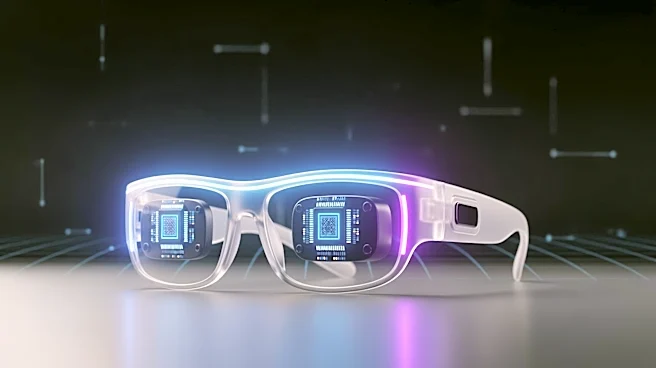
Meta has announced the launch of two new Ray-Ban prescription smart glasses, with U.S. preorders starting at $499. This move is part of a broader trend in the wearable tech market, where companies are focusing on integrating prescription compatibility
and AI features into smart glasses. The new models aim to address a common barrier to adoption by making smart glasses more practical for everyday use. Other companies, like Nothing Technology, are planning to release AI glasses that prioritize voice and AI features over augmented reality displays. Snap is also entering the market by building an independent smart-glasses unit to attract investment and compete with established players. These developments indicate a shift from novelty to utility in the smart glasses market.
Why It's Important?
The introduction of prescription-compatible smart glasses by Meta could significantly expand the market for wearable tech by making these devices more accessible to a broader audience. By focusing on practical features like prescription compatibility and AI assistance, companies are moving away from purely display-focused innovations. This shift could lead to increased adoption among consumers who require prescription eyewear, thus opening up new revenue streams for tech companies. Additionally, the involvement of major players like Meta and Snap suggests that the market for smart glasses is becoming more competitive, which could drive innovation and lead to more rapid advancements in the technology.
What's Next?
As companies like Meta and Snap continue to develop and release new smart glasses models, the market is likely to see increased competition and innovation. Retail partnerships, such as those between Warby Parker and tech firms, could play a crucial role in the distribution and adoption of smart glasses. These partnerships may offer try-before-you-buy options and in-store services, making it easier for consumers to integrate smart glasses into their daily lives. The focus on AI and practical features suggests that future developments will likely prioritize usability and convenience, potentially leading to wider acceptance and use of smart glasses in everyday settings.