



What's Happening?
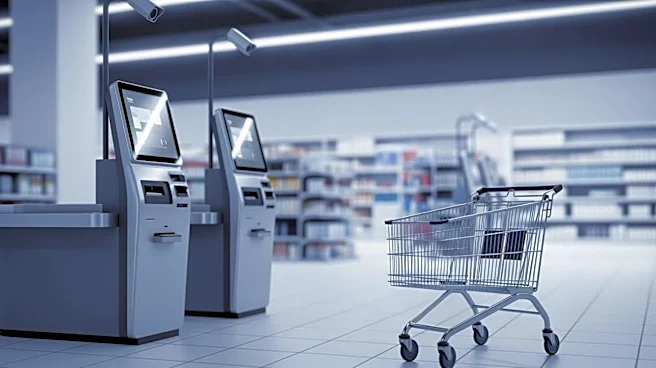
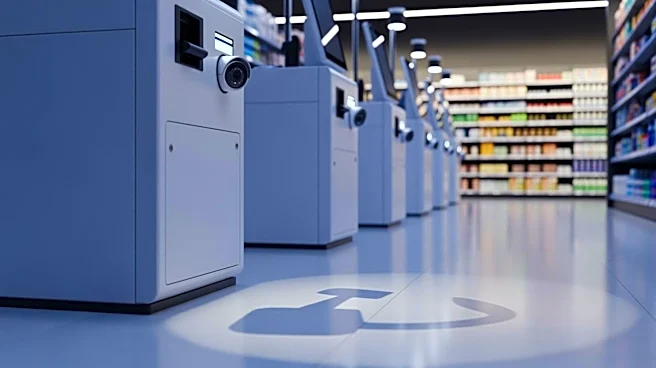
Retail giants like Walmart, Target, and Costco are reconsidering their self-checkout strategies due to significant inventory losses and customer dissatisfaction. Despite the widespread adoption of self-checkout systems, these retailers are experiencing
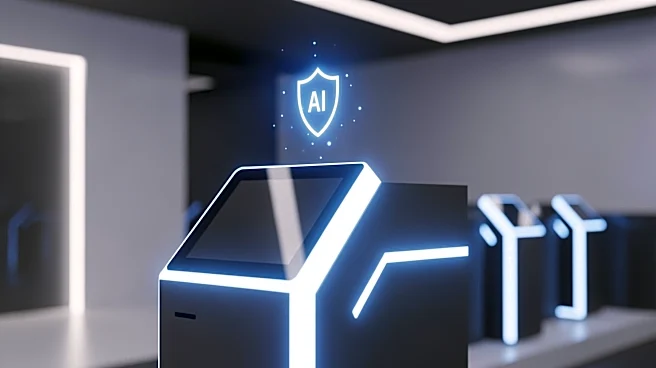
increased theft and operational challenges. To address these issues, companies are exploring AI-driven computer vision technologies that enhance security at self-checkout lanes. This technology uses real-time visual recognition to monitor transactions, distinguishing between legitimate and fraudulent activities. The AI systems analyze transaction video streams to identify human behavior patterns, flagging deviations for further review. This approach aims to reduce theft and improve the overall customer experience by minimizing false alerts and ensuring smoother transactions.
Why It's Important?
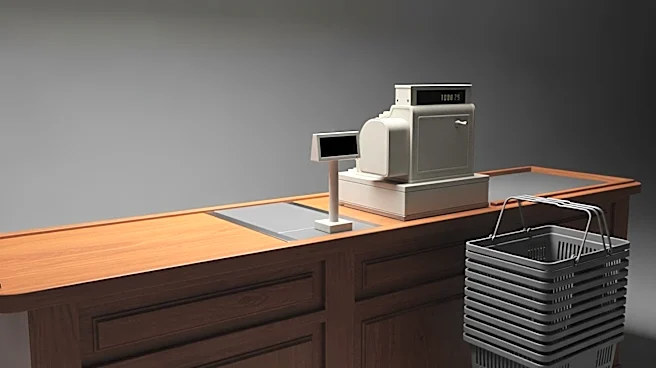
The rollback of self-checkout systems by major retailers highlights the ongoing struggle between automation and human oversight in retail environments. The shift back to traditional checkout lanes underscores the limitations of current self-checkout technologies in preventing theft and ensuring customer satisfaction. The implementation of AI-driven security measures could revolutionize the retail industry by providing a more secure and efficient checkout process. This development is crucial for retailers seeking to balance cost savings with customer service quality. The success of these AI systems could lead to broader adoption across the industry, potentially reducing inventory losses and enhancing the shopping experience.
What's Next?
As retailers continue to test and refine AI-driven security systems, the industry may see a gradual shift towards more secure and efficient self-checkout solutions. Retailers will likely monitor the effectiveness of these technologies in reducing theft and improving customer satisfaction. If successful, AI-driven security measures could become a standard feature in retail environments, leading to a resurgence of self-checkout systems. Additionally, retailers may explore further innovations in AI and machine learning to enhance other aspects of the shopping experience, such as personalized promotions and inventory management.