






What's Happening?
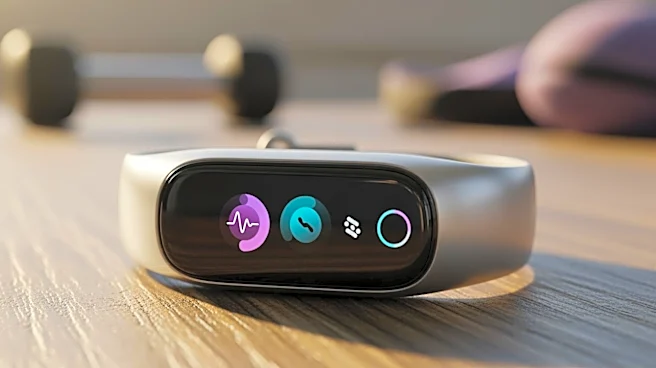
Amazfit, a brand known for its budget-friendly fitness trackers, offers a range of products that compete with more expensive brands like Garmin and Google. The Amazfit Active 2 and Active 3 Premium are highlighted for their affordability and features,
such as built-in GPS and heart-rate monitoring. However, the brand's software and mobile app, Zepp, are noted to be less refined compared to competitors. Despite this, Amazfit's products are praised for their value, offering premium materials at lower prices. The brand targets consumers looking for cost-effective fitness tracking solutions.
Why It's Important?
The rise of affordable fitness trackers like Amazfit reflects a growing demand for budget-friendly health technology. This trend could pressure established brands to lower prices or enhance features to maintain market share. For consumers, Amazfit provides an accessible entry point into fitness tracking, potentially increasing health awareness and activity levels. However, the less intuitive software may deter some users, highlighting the importance of user experience in tech adoption. The brand's focus on affordability could democratize access to health monitoring tools, impacting public health positively.
What's Next?
Amazfit's continued success will likely depend on its ability to improve software usability and maintain competitive pricing. As the market for wearable technology grows, Amazfit may expand its product line or enhance existing features to attract a broader audience. The brand's strategy could influence other companies to innovate or adjust pricing strategies. Consumer feedback on usability and functionality will be crucial in shaping future developments. Additionally, Amazfit's approach may inspire new entrants to the market, further diversifying consumer options.