






What's Happening?
Researchers at North Carolina State University have developed a new human-computer interaction method called RemoteCollabEval (RCE) to improve remote collaboration software. This method identifies barriers to inclusivity and collaboration by considering
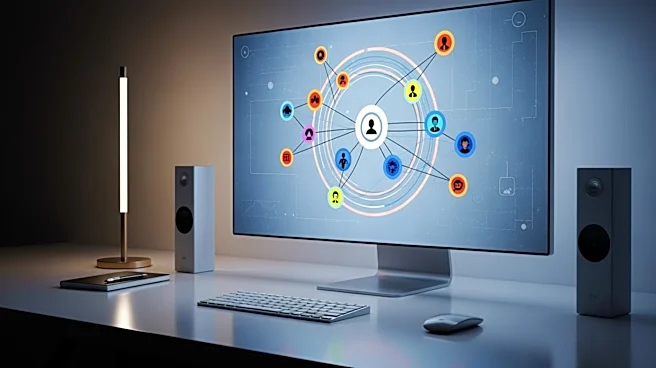
diverse teamwork styles. The RCE method uses 'personas' to simulate different user behaviors and identify 'inclusivity bugs' in software. This approach aims to make remote collaboration tools more effective by accounting for various communication and leadership styles.
Why It's Important?
As remote work becomes more prevalent, the need for effective collaboration tools is critical. Traditional software often fails to accommodate diverse working styles, leading to inefficiencies and exclusion. By addressing these issues, the RCE method can enhance productivity and inclusivity in remote teams. This development is significant for businesses and educational institutions that rely on remote collaboration, as it can lead to more equitable and effective teamwork.
What's Next?
The RCE method is set to be presented at the ACM Designing Interactive Systems Conference in Singapore. Its adoption could lead to widespread changes in how remote collaboration tools are designed and evaluated. Companies may begin to implement these methods to improve their software, leading to more inclusive digital work environments. This could also prompt further research into human-computer interaction and the development of new tools that better support diverse teams.