



What's Happening?
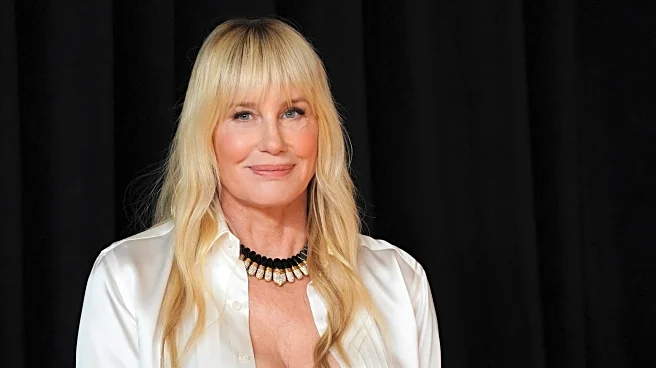
Actress Daryl Hannah has publicly criticized the portrayal of her character in the FX series 'Love Story,' which dramatizes the life of John F. Kennedy Jr. and his relationships. In a New York Times column, Hannah refuted the series' depiction of her as engaging
in cocaine use and other behaviors she claims are false. She emphasized that these portrayals are not mere creative embellishments but false assertions about her conduct. Hannah also highlighted the real-world consequences of the series, including receiving hostile messages from viewers who believe the dramatized version of events.
Why It's Important?
Hannah's criticism of the 'Love Story' series raises important questions about the ethical responsibilities of filmmakers when depicting real-life individuals. The controversy highlights the potential impact of dramatized portrayals on public perception and the personal lives of those depicted. In the digital age, where media content is widely accessible and permanent, such portrayals can shape public narratives and influence how historical figures are remembered. This situation underscores the need for careful consideration and accuracy in biographical storytelling, particularly when it involves public figures and sensitive historical events.
What's Next?
The backlash from Hannah and others may prompt discussions within the entertainment industry about the balance between creative freedom and factual accuracy in biographical series. Networks and producers might face increased scrutiny and pressure to ensure that their portrayals are respectful and truthful. This could lead to changes in how such series are developed, with more emphasis on consulting with those depicted or their representatives. Additionally, the public's response to this controversy could influence future viewership and the reception of similar projects.