
What's Happening?
Elon Musk has initiated a lawsuit against OpenAI, with a trial set to begin in Oakland, California, on April 27th. The legal battle centers around Musk's claims that OpenAI defrauded him, although the
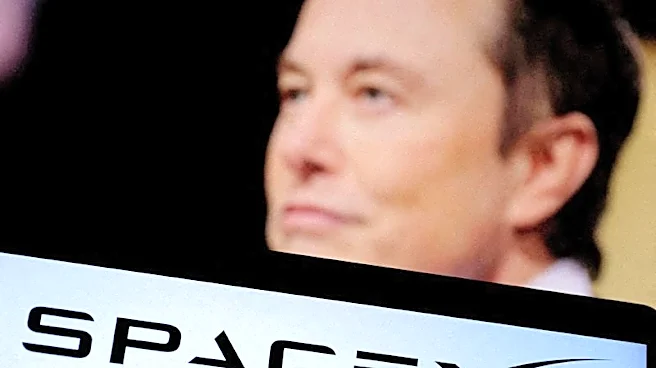
case has broader implications beyond the courtroom. Musk, who co-founded OpenAI but left after not being appointed CEO, is now pursuing legal action against the company, alleging breach of contract, unfair business practices, and false advertising. The trial comes at a critical time as Musk's xAI, now part of SpaceX, is preparing for an initial public offering, and OpenAI is rumored to be considering an IPO as well. The case has attracted significant attention, with high-profile AI executives expected to testify.
Why It's Important?
The lawsuit highlights the intense competition and high stakes in the AI industry, with billions of dollars at stake. Musk's legal actions appear to be part of a broader strategy to damage OpenAI's reputation and gain a competitive edge for his own AI venture, xAI. The outcome of the trial could have significant implications for both companies, particularly as they prepare for potential IPOs. The case also underscores the complex dynamics and rivalries within the tech industry, as well as the legal and ethical challenges associated with AI development and commercialization.
What's Next?
As the trial unfolds, key figures in the AI industry, including executives from Microsoft and former OpenAI leaders, are expected to testify. The proceedings could reveal sensitive information about OpenAI's operations and leadership, potentially impacting its reputation and IPO prospects. The trial may also influence investor confidence in both OpenAI and xAI, particularly if damaging details about either company emerge. The legal battle is likely to continue to draw public and media attention, with potential ramifications for the broader tech industry.
Beyond the Headlines
The case raises questions about the ethical and legal responsibilities of AI companies, particularly in terms of transparency and accountability. It also highlights the challenges of balancing innovation with ethical considerations in the rapidly evolving AI landscape. The trial could set precedents for how disputes in the tech industry are resolved and may influence future regulatory and policy decisions related to AI development and commercialization.