



What's Happening?
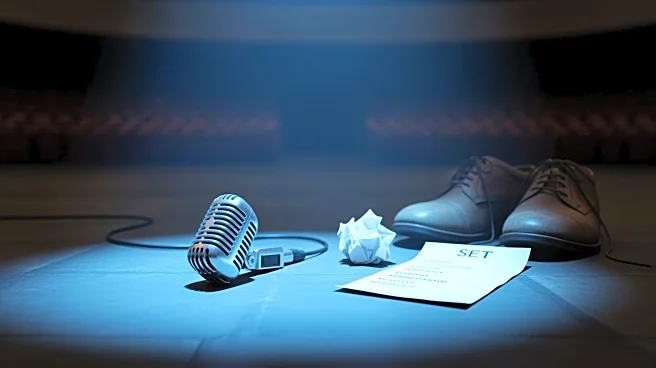
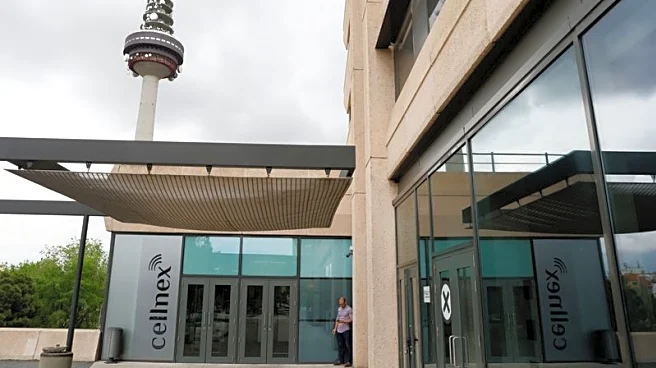
British singer Morrissey has canceled his concert in Valencia, Spain, citing the overwhelming noise from the city's Las Fallas festival as the reason. According to a statement on his website, Morrissey arrived in Valencia after a two-day road trip and
was unable to rest due to the loud festival activities, which included techno music and megaphone announcements. This left him in a 'catatonic state,' making it impossible for him to perform. Despite the cancellation, Morrissey is scheduled to perform in Zaragoza and Seville on March 14 and 16, respectively. The singer's team emphasized that the concert was not canceled but that circumstances made it impossible to proceed. Morrissey has a history of concert cancellations, including previous instances in Spain and other locations due to various reasons.
Why It's Important?
The cancellation highlights the challenges artists face when external factors, such as local events, impact their ability to perform. For fans, especially those who traveled or paid for tickets, such cancellations can be disappointing and financially burdensome. For the local economy, events like concerts can boost tourism and local business, and cancellations may result in economic losses. Morrissey's history of cancellations also raises questions about the reliability of his performances, potentially affecting his reputation and future ticket sales. However, his loyal fan base may continue to support him despite these setbacks.
What's Next?
Morrissey is expected to continue his tour with upcoming performances in other Spanish cities. Fans and stakeholders will be watching to see if these concerts proceed as planned. The situation may prompt discussions about how artists and event organizers can better manage external disruptions. Additionally, Morrissey's team may need to address public relations concerns to maintain fan trust and manage expectations for future events.
Beyond the Headlines
The incident underscores the cultural significance of local festivals like Las Fallas, which are deeply rooted in tradition and community identity. Such events can clash with modern entertainment schedules, highlighting the need for better coordination between cultural and commercial interests. The situation also reflects broader issues in the music industry, where artists must balance personal well-being with professional commitments.