





What's Happening?
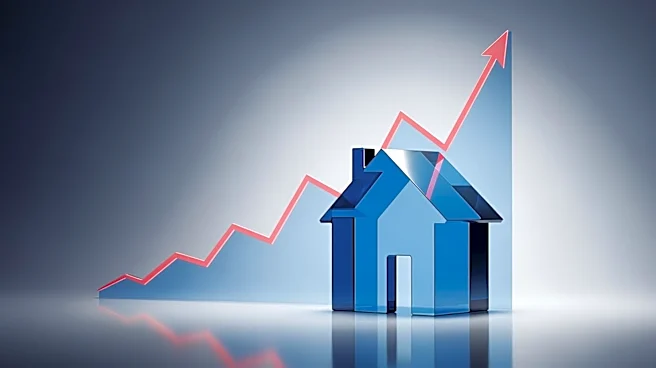
The U.S. housing market is experiencing a complex situation where listing prices are falling, but rising mortgage rates are deterring potential buyers. According to Realtor.com, the national median listing price has decreased by 2.3% compared to the previous
year, marking the 18th consecutive week of price declines. However, the average 30-year fixed mortgage rate has increased to 6.51%, up 15 basis points from earlier in the year. This rise in mortgage rates is attributed to higher Treasury yields driven by inflation concerns and global economic factors. As a result, some buyers are turning to adjustable-rate mortgages (ARMs) to secure lower rates, despite the associated risks.
Why It's Important?
The current dynamics in the housing market highlight the challenges faced by potential homebuyers who are caught between falling home prices and rising borrowing costs. The increase in mortgage rates adds to the financial burden on buyers, potentially offsetting the affordability gains from lower listing prices. This situation could lead to a slowdown in the housing market, affecting real estate transactions and related industries. Additionally, the reliance on ARMs introduces financial risks for buyers, as future rate adjustments could lead to higher monthly payments.
What's Next?
The housing market is likely to remain volatile as economic conditions continue to evolve. Potential buyers may need to weigh the risks of adjustable-rate mortgages against the benefits of lower initial rates. The market's response to ongoing inflation and global economic developments will be crucial in determining future trends. Policymakers and industry stakeholders may need to consider measures to stabilize the market and support homebuyers in navigating these challenges.