




What's Happening?
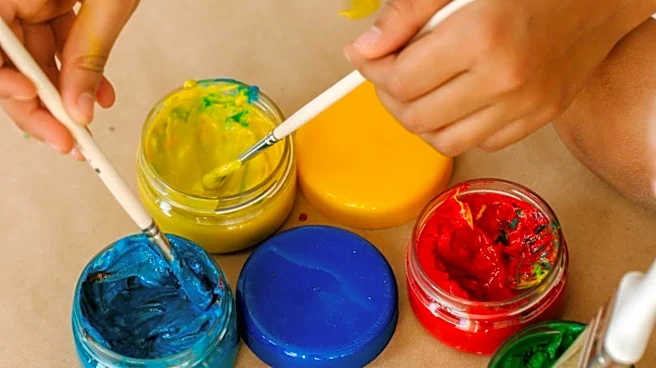
Daisy Fancourt, a professor of psychobiology and epidemiology at University College London, emphasizes the significant health benefits of engaging in the arts. According to her book, 'Art Cure: The Science of How the Arts Save Lives,' artistic activities
such as playing music, painting, and dancing can reduce stress, improve heart health, and slow cognitive decline. Fancourt argues that arts engagement activates reward and pleasure networks in the brain, releasing dopamine and providing a sense of autonomy and emotional regulation. She advocates for the arts as a 'fifth pillar' of health, alongside diet, exercise, nature, and sleep. Fancourt's research suggests that regular engagement with the arts can affect brain size, structure, and function, aiding cognitive development in children and preserving cognition in older adults.
Why It's Important?
The integration of arts into daily life can have profound implications for public health, offering a non-pharmaceutical approach to enhancing mental and physical well-being. By promoting arts engagement, individuals can potentially reduce healthcare costs associated with stress-related conditions and cognitive decline. This perspective challenges traditional views that prioritize physical exercise and diet, suggesting that arts can play a crucial role in holistic health strategies. The emphasis on arts as a health pillar could lead to increased funding and support for arts programs, benefiting communities and fostering cultural enrichment.