


What's Happening?
Nexstar Media Group has closed its acquisition of Tegna after receiving approvals from the FCC and DOJ. The $6.2 billion merger creates a broadcasting giant with nearly 260 stations, surpassing the FCC's ownership cap of 39% coverage. The FCC granted
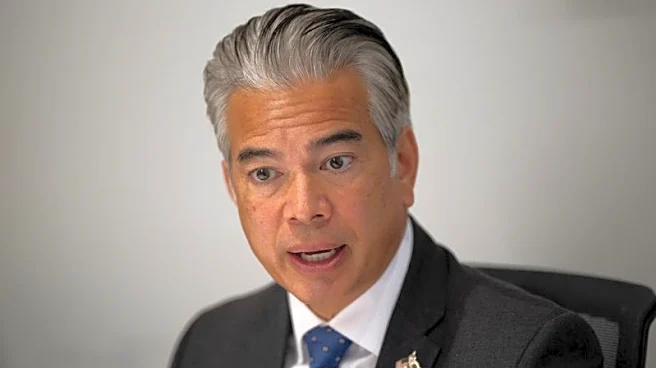
a waiver, allowing Nexstar to reach approximately 80% of U.S. households. However, the merger faces opposition from California, New York, and six other states, as well as DirecTV, which have filed lawsuits citing antitrust concerns. Critics argue the merger could lead to higher consumer costs and reduced competition in local news markets.
Why It's Important?
This merger represents a significant consolidation in the U.S. media landscape, raising concerns about the impact on local journalism and consumer prices. The legal challenges highlight the tension between media consolidation and the need for diverse, competitive media environments. The FCC's decision to grant a waiver for the ownership cap is controversial, as it could set a precedent for future media mergers. The outcome of the legal challenges could influence regulatory approaches to media ownership and competition in the broadcasting industry.
What's Next?
Nexstar has agreed to sell six stations to comply with regulatory conditions, and the legal challenges could lead to further scrutiny of the merger. The lawsuits may result in changes to the merger's terms or additional regulatory conditions. The case will be closely watched by media companies, regulators, and consumer advocates, as it could impact future media consolidation efforts and the regulatory framework governing media ownership.