



What's Happening?
Copper, often referred to as 'Dr. Copper' for its economic predictive power, is experiencing a significant price surge, driven by structural demand and constrained supply. Prices have reached new highs, with forecasts suggesting continued elevation through
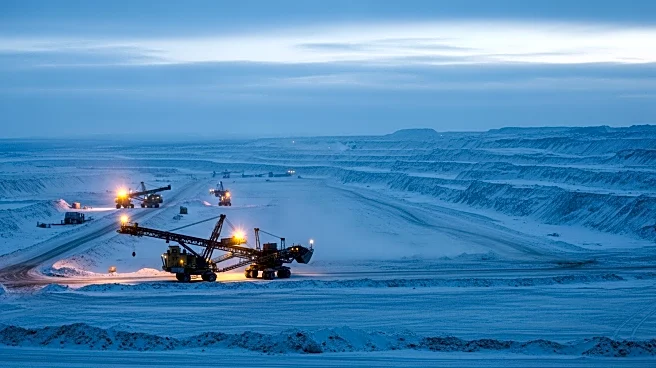
2026. The demand is fueled by growth in electrification, infrastructure, and technology industries, particularly in Asia. Despite increased smelting activity, global supply remains tight, with major producers like Rio Tinto and BHP focusing on expanding copper production. The market dynamics are influenced by declining ore grades and rising production costs, which have hampered new production.
Why It's Important?
Copper's price surge is a critical indicator of broader economic trends, particularly in the context of global industrial and energy transitions. The metal's role in renewable energy and electric vehicle production underscores its importance in the shift towards sustainable technologies. The constrained supply and rising demand highlight potential investment opportunities in copper mining and related industries. For stakeholders, including investors and policymakers, understanding copper's market dynamics is essential for strategic planning and resource allocation. The ongoing price trends may also impact industries reliant on copper, influencing production costs and pricing strategies.
What's Next?
The future of copper prices will depend on the balance between supply and demand. As new mining projects come online, supply may increase, potentially stabilizing prices. However, the continued growth in demand from renewable energy and technology sectors could maintain upward pressure on prices. Industry stakeholders will need to monitor developments in mining technology and regulatory environments that could impact production capabilities. Additionally, geopolitical factors and trade policies may influence market dynamics, requiring strategic adjustments from major producers and investors.