




What's Happening?
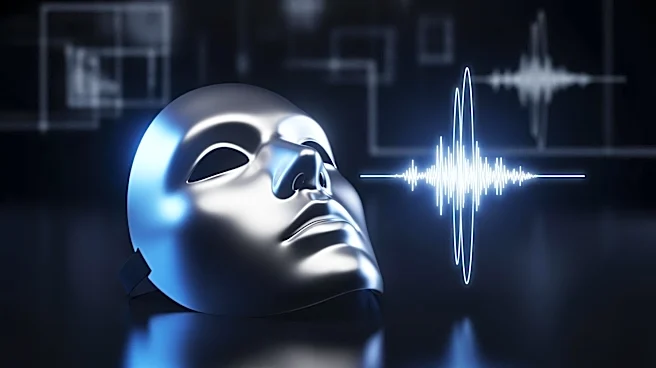
YouTube has announced the expansion of its AI likeness detection technology to include individuals in the entertainment industry. This technology, which functions similarly to YouTube's Content ID system, is designed to identify AI-generated content that
uses the likenesses of public figures without permission. The expansion follows a successful pilot program and now includes talent agencies, management companies, and the celebrities they represent. The tool allows users to request the removal of infringing content, although not all flagged videos will be removed due to allowances for parody and satire. YouTube is also advocating for the NO FAKES Act, which seeks to regulate the use of AI in creating unauthorized recreations of individuals' voices and likenesses.
Why It's Important?
The expansion of this technology is crucial for protecting the identities and reputations of public figures in the entertainment industry, who are often targets of unauthorized AI-generated content. By providing a mechanism to detect and address such content, YouTube is helping to safeguard the rights of creators and public figures, while also setting a standard for other platforms to follow. This move underscores the growing need for regulatory measures to address the ethical and legal challenges posed by AI technology, particularly in the context of privacy and intellectual property rights.
What's Next?
As YouTube continues to develop its AI detection capabilities, it is likely that other platforms will adopt similar measures, leading to industry-wide standards for managing AI-generated content. The support for the NO FAKES Act indicates a push for legislative action, which could result in new laws that provide clearer guidelines and protections for individuals affected by deepfakes. The entertainment industry, along with legal and regulatory bodies, will play a significant role in shaping these developments and ensuring that the rights of individuals are protected in the digital age.