
What's Happening?
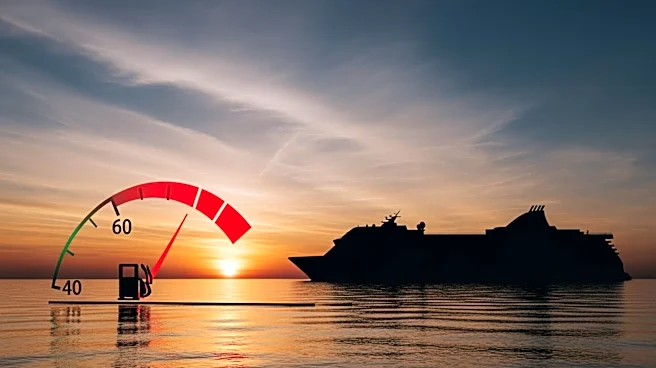
Cruise lines are beginning to implement additional fuel surcharges on certain trips due to a significant rise in oil prices, which have surged over 40% since the onset of the Iran conflict. StarDream Cruises,
based in Malaysia, has already added a daily fuel surcharge for Asia sailings booked after March 20, with costs ranging from $19 to $26 per guest per day. This move has raised concerns among travelers that larger cruise lines might follow suit. The Cruise Lines International Association projects nearly 39.6 million people will take cruises in 2026, highlighting the potential widespread impact of these surcharges. Some passengers have expressed frustration over the possibility of additional charges being imposed even after bookings are paid in full, as cruise contracts often reserve the right to add such fees if oil prices rise.
Why It's Important?
The introduction of fuel surcharges by cruise lines could have significant implications for the travel industry and consumers. As oil prices continue to rise, the cost of cruising may increase, potentially affecting the affordability and attractiveness of cruise vacations. This could lead to a decrease in demand, impacting the revenue of cruise companies and related industries such as tourism and hospitality. Additionally, the move to add surcharges highlights the vulnerability of the travel industry to geopolitical events and fluctuating oil prices. Consumers may need to be more vigilant about reading the fine print in travel contracts to avoid unexpected costs, which could influence their future travel decisions.
What's Next?
If oil prices remain high, more cruise lines may adopt similar surcharge policies, potentially leading to a broader industry trend. However, some major cruise companies, like Norwegian Cruise Line Holdings and Carnival Corporation, have stated they do not anticipate immediate changes to ticket prices or the introduction of fuel surcharges. The situation remains fluid, and travelers should stay informed about potential changes to cruise pricing models. If surcharges are implemented, they may be temporary, but there is a possibility that higher fuel costs could be embedded into ticket prices, leading to longer-term price increases.