

What's Happening?
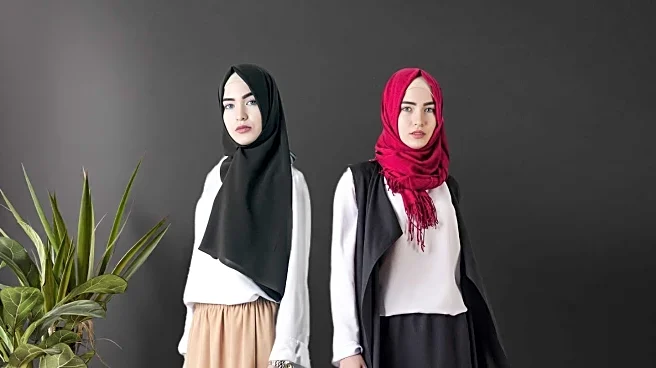
Kadjahtou Balde has transformed her father's struggling gift shop in Harlem into Modify Thrift, a store that emphasizes modest fashion, sustainability, and community. The shop, located on Malcolm X Boulevard, offers a variety of unique, modest clothing pieces that cater to Muslim women who wish to dress fashionably while adhering to their faith. Balde, a sustainable fashion enthusiast, aims to provide an alternative to fast fashion by extending the life cycle of clothing, which she views as a form of worship and stewardship of the Earth. The store has become a community hub, promoting Muslim sisterhood and challenging stereotypes about Muslim women's fashion choices.
Why It's Important?
Modify Thrift represents a significant cultural and social development by addressing
the intersection of faith, fashion, and sustainability. It challenges the fast fashion industry's unethical practices and offers a platform for Muslim women to express their identity through fashion. The store also plays a role in combating Islamophobia by showcasing the diversity and creativity within Muslim communities. Additionally, it supports local economies by sourcing inventory through community donations and consignment, fostering a sense of community ownership and involvement. This initiative highlights the potential for small businesses to drive social change and promote ethical consumption.
What's Next?
Balde plans to expand Modify Thrift by opening similar stores in other boroughs, aiming to create a network of immigrant-run modest thrift shops. This expansion could further strengthen community ties and provide more opportunities for sustainable fashion choices. As the store gains popularity, it may inspire other entrepreneurs to adopt similar business models that prioritize community benefit over profit. The success of Modify Thrift could also influence larger fashion brands to reconsider their production practices and embrace more sustainable and ethical approaches.
Beyond the Headlines
The rise of Modify Thrift reflects broader societal shifts towards inclusivity and sustainability. It challenges the narrative that modest fashion is restrictive or outdated, instead presenting it as a vibrant and dynamic expression of personal and cultural identity. The store's success could contribute to a reevaluation of how fashion is perceived and consumed, encouraging more people to consider the environmental and social impacts of their clothing choices. This movement aligns with a growing global awareness of the need for sustainable practices across industries.