



What's Happening?
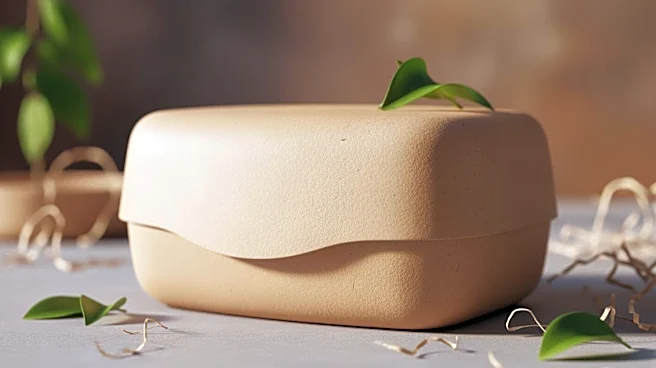
The beauty industry is increasingly adopting uncoated paperboard packaging as a sustainable alternative to traditional plastic packaging. According to Cosmetics Business, this shift is driven by the tactile and customizable nature of paperboard, which
offers brands the opportunity to achieve circular design goals. Despite plastic's affordability and dominance in cosmetic packaging, eco-friendly materials like paperboard are gaining traction. Mintel reports significant growth in paperboard usage, while traditional plastics and multi-layer boards are declining. The Cosmetics Business Innovation Awards are set to highlight innovations in packaging, sustainability, and consumer experience, reflecting the industry's rapid evolution.
Why It's Important?
The transition to paperboard packaging in the beauty industry signifies a broader move towards sustainability, addressing environmental concerns associated with plastic waste. This shift could influence other sectors to adopt similar eco-friendly practices, potentially reducing the overall environmental footprint of packaging. Brands that embrace sustainable packaging may enhance their market appeal, attracting environmentally conscious consumers. The industry's focus on sustainability could drive innovation, leading to new materials and technologies that further reduce reliance on plastics. This trend may also impact regulatory policies, encouraging stricter guidelines on packaging materials.
What's Next?
As the beauty industry continues to evolve, more brands are expected to adopt paperboard and other sustainable packaging solutions. The Cosmetics Business Innovation Awards will likely showcase new advancements in packaging technology, potentially setting new standards for the industry. Companies may invest in research and development to improve the functionality and cost-effectiveness of eco-friendly materials. Stakeholders, including environmental groups and policymakers, may push for regulations that support sustainable packaging practices. The industry's shift could inspire similar changes in other consumer goods sectors, promoting a wider adoption of sustainable materials.
Beyond the Headlines
The move towards sustainable packaging in the beauty industry highlights ethical considerations regarding environmental responsibility. As consumers become more aware of the environmental impact of their purchases, brands may face increased pressure to demonstrate their commitment to sustainability. This trend could lead to a cultural shift, where eco-friendly practices become a standard expectation rather than a niche market. The industry's focus on sustainability may also influence global packaging standards, encouraging international collaboration to address environmental challenges. Long-term, this shift could contribute to a reduction in plastic pollution and promote a more sustainable economy.