
What's Happening?
The food industry is increasingly turning to upcycling to reduce waste and enhance sustainability. Key ingredients being upcycled include spent brewers' yeast, egg shells, dairy whey, fruit pomace, and animal
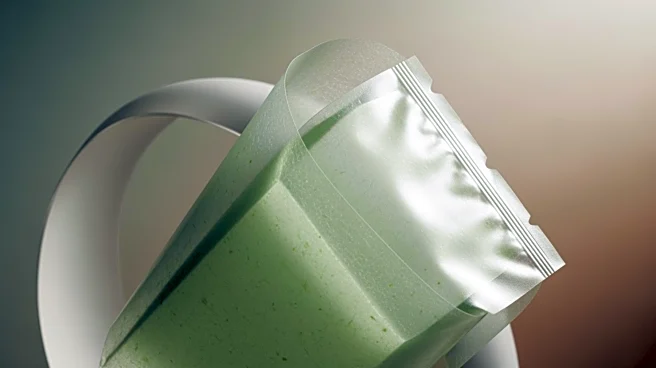
blood. Spent brewers' yeast is used as a protein replacer and additive in various food products. Egg shells are being transformed into sustainable packaging materials. Dairy whey is utilized for protein powders and supplements, and even in spirit production. Fruit pomace, the pulpy leftovers from juice production, is used in meat products and as a protective coating for produce. Animal blood is repurposed as an egg substitute and protein additive in food products.
Why It's Important?
Upcycling in food production addresses the critical issue of food waste, turning by-products into valuable resources. This approach not only reduces environmental impact but also creates new economic opportunities within the food industry. By utilizing waste streams, companies can lower production costs and develop innovative products that appeal to environmentally conscious consumers. The practice of upcycling supports sustainability goals and can lead to more resilient food systems, which is increasingly important as global populations grow and resources become more constrained.