
What's Happening?
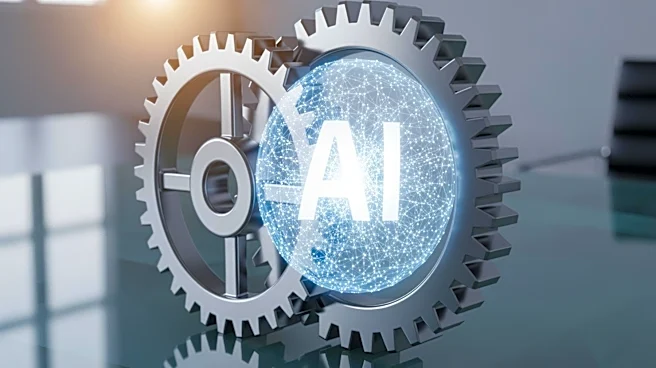
As artificial intelligence (AI) continues to transform the business landscape, HR leaders are being advised to shift their focus from job titles to job goals. The integration of AI into various sectors
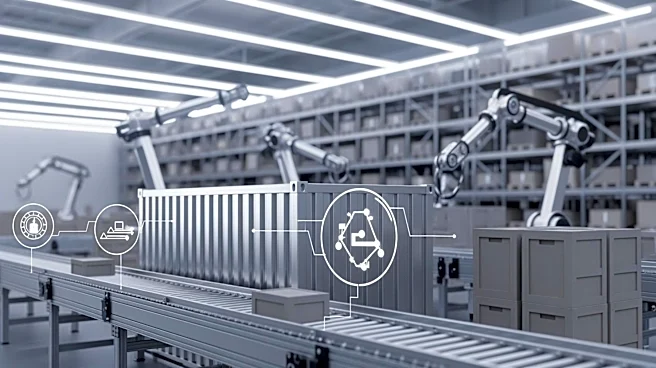
has sparked concerns among employees about job security, with fears that AI could lead to significant job losses. However, experts suggest that AI is more likely to reconfigure jobs rather than eliminate them entirely. The key challenge for executive leaders is to manage the workforce transition effectively, ensuring that employees are prepared for the changes AI will bring. This involves identifying tasks that can be automated and reallocating human resources to more valuable, strategic roles. Companies like Amazon and Workday have cited AI investments as reasons for job cuts, heightening employee anxiety. To address these concerns, leaders are encouraged to adopt a transparent approach, involving employees in planning and decision-making processes related to AI implementation.
Why It's Important?
The integration of AI into the workplace is a pivotal development that could reshape the future of work. While AI has the potential to enhance efficiency by automating repetitive tasks, it also necessitates a shift in workforce skills and roles. This transition presents both challenges and opportunities for businesses and employees. For companies, the successful adoption of AI could lead to increased productivity and innovation. However, it also requires a commitment to reskilling and upskilling employees to ensure they can adapt to new roles. For employees, the shift towards AI-driven work environments underscores the importance of continuous learning and skill development. By focusing on job goals rather than titles, organizations can better align their workforce with strategic objectives, fostering a culture of growth and adaptability.
What's Next?
As AI continues to evolve, companies will need to develop comprehensive strategies for workforce development and transition. This includes creating ongoing learning opportunities and supporting employees in acquiring new skills. HR leaders will play a crucial role in facilitating this transition, ensuring that employees are equipped to handle the changes brought about by AI. Additionally, businesses will need to maintain open lines of communication with their workforce, providing clear information about AI initiatives and their impact on job roles. By fostering a culture of transparency and inclusion, organizations can build trust and confidence among employees, paving the way for a successful integration of AI technologies.