



What's Happening?
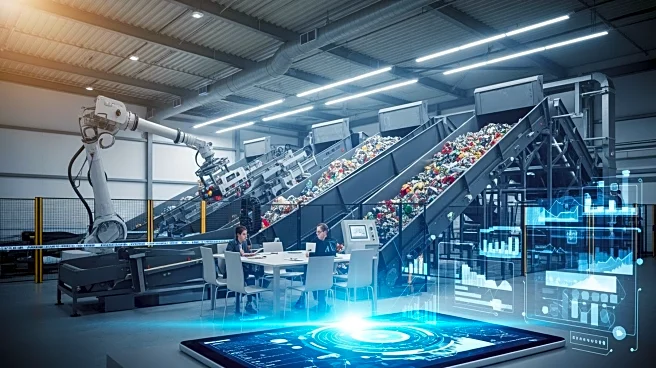
Agilent Technologies Inc. has awarded Boehringer Ingelheim with the inaugural Instrument Trade-In Impact Award. This recognition highlights Boehringer Ingelheim's leadership in sustainability through their participation in Agilent's trade-in and buyback program. The award honors global partners that achieve significant sustainability impacts by diverting end-of-life laboratory instruments from landfills and promoting the circular use of scientific equipment. In 2025, Boehringer Ingelheim led all partners in responsible trade-in activities, ensuring that retired instruments were reused, refurbished, or properly recycled. Joydeep Ganguly, Agilent's Chief Operations and Quality Officer, emphasized that Boehringer Ingelheim's commitment to sustainability supports
Agilent's mission to advance a circular economy by extending the life of scientific instrumentation and reducing environmental impact across the value chain.
Why It's Important?
This award underscores the growing importance of sustainability in the scientific and laboratory sectors. By recognizing Boehringer Ingelheim's efforts, Agilent is promoting a model for other companies to follow, which could lead to broader adoption of sustainable practices across the industry. The initiative not only helps reduce waste but also supports the circular economy, which is crucial for minimizing environmental impact. This recognition could encourage more companies to invest in sustainable practices, potentially leading to significant reductions in waste and environmental harm. The focus on sustainability is also aligned with global efforts to combat climate change and reduce carbon footprints, making it a critical component of corporate responsibility and environmental stewardship.
What's Next?
Agilent's award could inspire other companies to enhance their sustainability efforts, particularly in the laboratory and scientific sectors. As more companies adopt similar practices, there could be a shift towards more sustainable procurement and lifecycle management of scientific equipment. This could lead to increased innovation in recycling and refurbishing technologies, further advancing the circular economy. Additionally, Agilent's focus on supporting customer sustainability goals through reuse pathways and energy-efficient technologies may drive further developments in sustainable laboratory practices. The recognition of Boehringer Ingelheim's efforts may also prompt other companies to seek similar accolades, fostering a competitive environment that prioritizes sustainability.