






What's Happening?
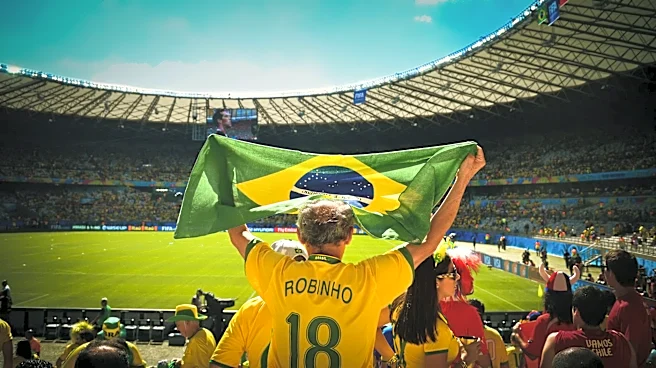
The 2026 World Cup, set to begin on June 11, will feature a record 48 teams competing across North America. This tournament introduces a new format with 12 groups and a Round of 32 knockout stage. Each group consists of four teams, and the top two teams from
each group, along with eight of the best third-placed teams, will advance to the knockout rounds. This expansion aims to increase global participation and excitement around the event. The tournament will conclude with the final match on July 19.
Why It's Important?
The expansion to 48 teams represents a significant shift in the World Cup's structure, potentially increasing the tournament's global reach and inclusivity. This change allows more nations to participate, which could enhance the event's appeal and viewership worldwide. The new format may also impact the competitive dynamics, as more teams have the opportunity to advance beyond the group stage. This could lead to unexpected outcomes and increased excitement for fans. The tournament's success could influence future decisions regarding the format and size of international sporting events.
What's Next?
As the tournament approaches, teams and fans are preparing for the new format and the challenges it presents. The first match between co-host Mexico and South Africa will set the tone for the event. Stakeholders will be monitoring the tournament's execution and reception closely, as its outcomes could inform future World Cup planning and international soccer policies. The expanded format may also prompt discussions about the logistics and feasibility of hosting larger tournaments in the future.