





What's Happening?
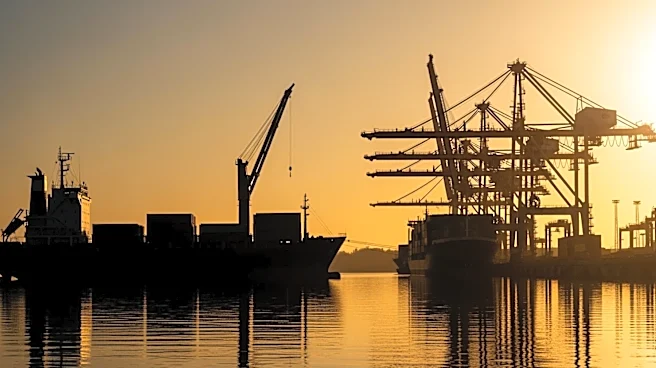
The shipping industry is facing heightened risks due to climate change, with rising temperatures and humidity increasingly compromising cargo integrity during transit. Research indicates that ports in Asia and Africa are particularly vulnerable to wind
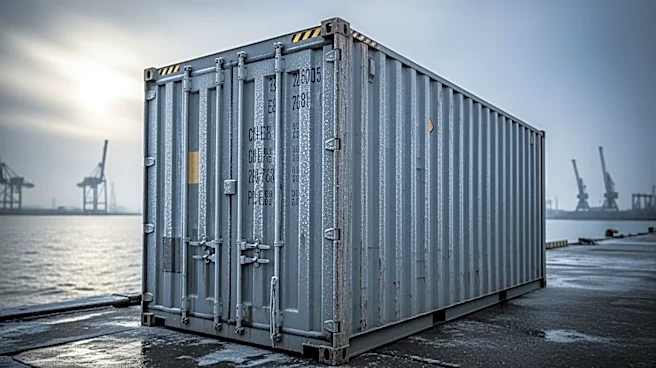
stoppages, leading to operational challenges and delays. The past decade has seen record global temperatures, with oceans absorbing excess heat, which in turn fuels more intense weather patterns. This climate volatility affects cargo in various ways, including heat-related damage and condensation issues, known as 'cargo sweat'. These conditions are particularly prevalent on tropical or intra-Asia routes. The industry is responding with measures such as weather routing, real-time forecasting systems, and improved infrastructure to mitigate these risks.
Why It's Important?
The impact of climate change on the shipping industry has significant economic implications. As extreme weather conditions become more common, the integrity of cargo is increasingly at risk, leading to potential financial losses for cargo owners and logistics operators. The need for effective mitigation measures is critical to prevent damage and ensure operational resilience. The shipping industry is investing in technology and infrastructure to adapt to these changes, highlighting the importance of sustainability and operational resilience in the face of climate change. This shift not only affects the shipping industry but also has broader implications for global trade and supply chains.
What's Next?
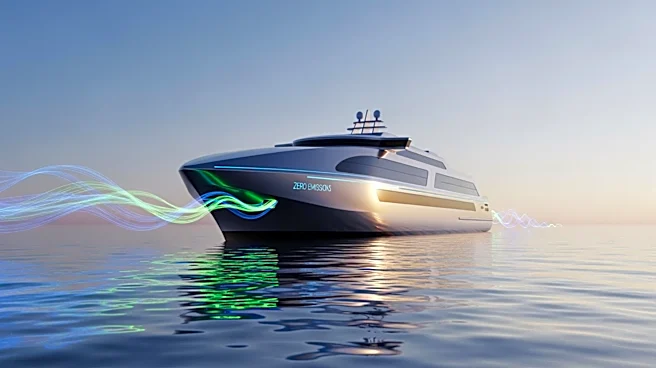
The shipping industry is expected to continue investing in technology and infrastructure to mitigate the risks posed by climate change. This includes the adoption of weather routing systems, real-time forecasting, and improved packaging and cargo conditioning practices. Regulatory bodies like the International Maritime Organization are also driving a transition towards lower-emission shipping, reinforcing the link between sustainability and operational resilience. As climate-related challenges persist, the industry will need to adapt and innovate to safeguard cargo and maintain efficient operations.
Beyond the Headlines
The increasing risks posed by climate change to the shipping industry underscore the need for a broader discussion on sustainability and environmental responsibility. The industry's response to these challenges could set a precedent for other sectors facing similar climate-related risks. Additionally, the focus on sustainability and resilience may drive innovation in shipping practices and technologies, potentially leading to long-term shifts in how goods are transported globally.