



What's Happening?
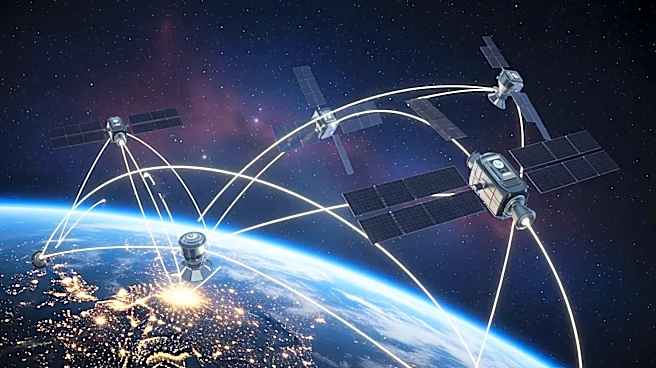
SpaceX has filed confidential paperwork for an initial public offering, aiming to raise $75 billion at a $1.75 trillion valuation. CEO Elon Musk has highlighted orbital data centers as a key component of SpaceX's future strategy. The concept involves
deploying data centers in space, leveraging SpaceX's Starlink network and satellite technology. This initiative is part of a broader trend among tech companies, including Amazon and Blue Origin, exploring space-based data solutions. The move addresses challenges faced by terrestrial data centers, such as regulatory hurdles and environmental concerns, by offering an alternative in space.
Why It's Important?
The development of orbital data centers represents a significant shift in the tech industry, potentially transforming how data is stored and managed. It positions SpaceX as a leader in innovative solutions, enhancing its appeal to investors and stakeholders. The initiative could alleviate pressure on land-based data centers, which face opposition due to environmental and social concerns. By expanding into space, SpaceX and other companies can bypass terrestrial limitations, potentially leading to new business opportunities and technological advancements. This strategy aligns with Musk's vision of leveraging space for commercial and technological purposes.
What's Next?
SpaceX's plans for orbital data centers will require substantial technological development and investment. The company will need to address engineering and logistical challenges associated with deploying and maintaining data centers in space. As the initiative progresses, SpaceX may collaborate with other tech companies and government agencies to advance the technology and infrastructure needed. The success of this venture could influence future IPOs and investments in space-based technologies, shaping the industry's trajectory. Stakeholders will closely monitor developments, assessing the feasibility and impact of space-based data solutions.