



What's Happening?
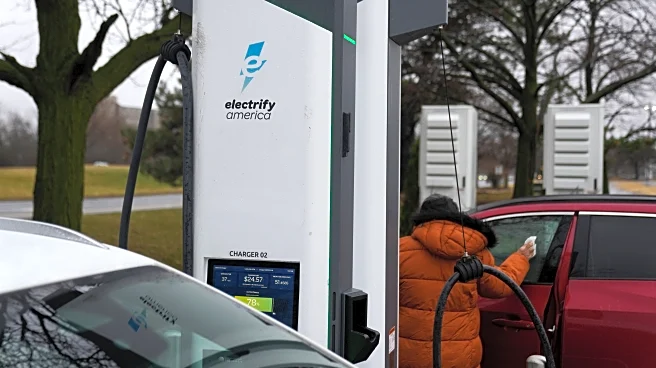
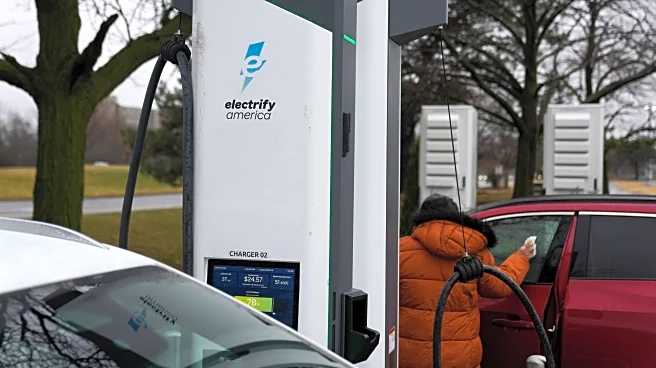
The recent conflict in Iran has caused a spike in gas prices, leading U.S. drivers to question the long-term viability of gasoline-powered vehicles. According to Edmunds, interest in hybrids, plug-in hybrids, and battery electric vehicles accounted for
22.4% of all vehicle research activity in early March, up from 20.7% the previous week. The national average for a gallon of regular gas has risen to $3.57, prompting consumers to explore more stable alternatives like electric vehicles. Experts suggest that prolonged high gas prices could drive increased EV interest and sales, especially if consumers believe electricity prices will remain stable.
Why It's Important?
The surge in gas prices highlights the vulnerability of fossil fuel-dependent transportation to global conflicts and market fluctuations. As consumers seek more predictable and sustainable options, the demand for electric vehicles is likely to increase. This shift could accelerate the transition to electric mobility, reducing carbon emissions and supporting energy independence. However, the upfront cost of EVs remains a barrier for many consumers, and a sudden increase in demand could drive prices higher. Policymakers and industry stakeholders must address these challenges to facilitate the widespread adoption of EVs.
What's Next?
As gas prices remain high, the interest in electric vehicles is expected to grow. Automakers may need to increase production and expand their EV offerings to meet consumer demand. Additionally, governments may consider implementing new incentives and policies to support the transition to electric mobility and reduce the nation's dependence on volatile fossil fuel markets. The development of charging infrastructure and advancements in battery technology will also play a crucial role in supporting this transition.