


What's Happening?
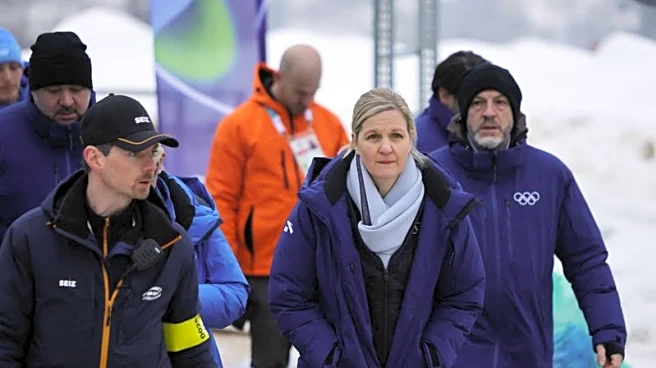
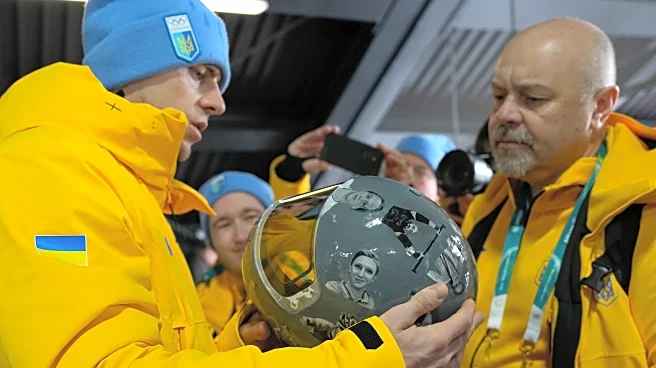
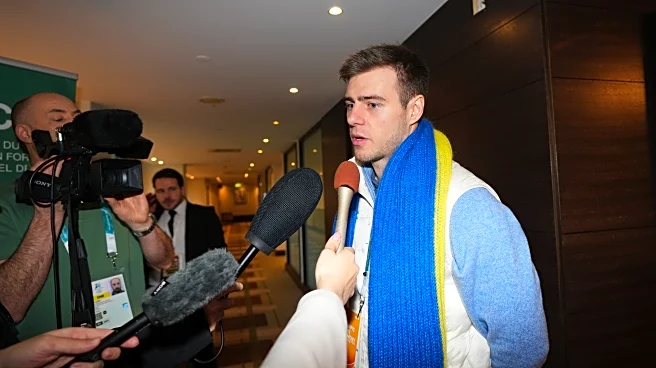
The Court of Arbitration for Sport (CAS) has dismissed the appeal of Ukrainian skeleton racer Vladyslav Heraskevych, who sought to compete in the Winter Olympics wearing a helmet that depicted images of athletes killed during Russia's invasion of Ukraine. Heraskevych was banned by the International Olympic Committee (IOC) from participating in the men's skeleton event due to the helmet's design, which the IOC stated violated the Olympic charter. Despite wearing the helmet during training sessions, Heraskevych was visited by IOC president Kirsty Coventry at the Cortina sliding track, who attempted to persuade him not to use it in competition. Heraskevych maintained that the helmet was within the rules, prompting an emergency CAS meeting. While
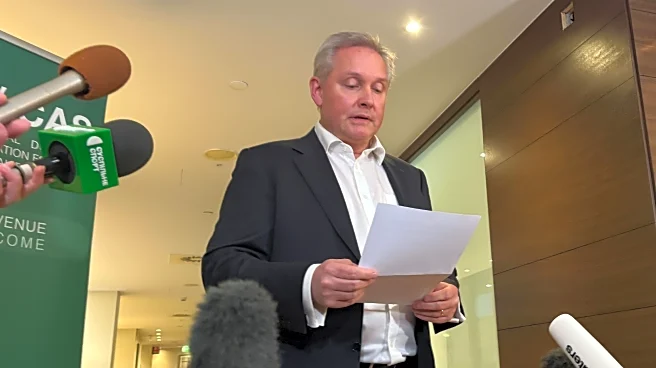
CAS expressed sympathy for Heraskevych's situation and his right to freedom of expression, they upheld the IOC's decision, emphasizing that such expressions are not allowed on the field of play.
Why It's Important?
This decision underscores the ongoing tension between athletes' rights to personal expression and the regulations governing international sports competitions. The ruling highlights the strict enforcement of the Olympic charter, which prioritizes maintaining a politically neutral environment during competitions. The case also brings attention to the broader issue of how international sports bodies handle expressions related to geopolitical conflicts, particularly those involving human rights and war. For Heraskevych and other athletes, the ruling represents a significant limitation on their ability to use their platform to raise awareness about critical issues affecting their home countries. The decision may influence future discussions on the balance between freedom of expression and the rules of international sports events.
What's Next?
Following the CAS ruling, Heraskevych will not be able to compete in the Winter Olympics with his helmet of remembrance. The IOC has allowed him to display the helmet in mixed zones, news conferences, and on social media, but not during competition. This decision may prompt further debate within the international sports community about the extent to which athletes can express personal or political messages during events. It could also lead to calls for revisiting and potentially revising the rules governing athlete expression at the Olympics and other major sporting events.