



What's Happening?
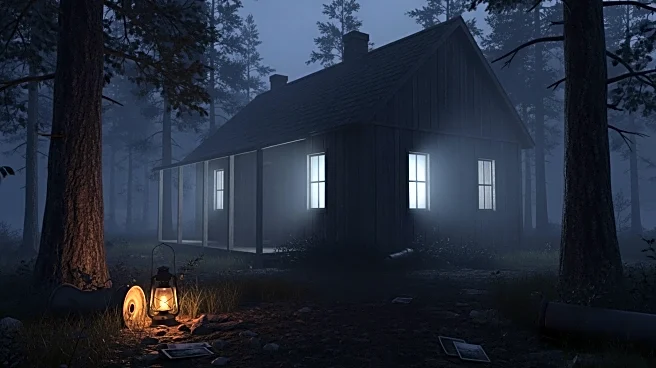
The film 'Rock Springs', directed by Vera Miao, features Kelly Marie Tran in a leading role as a grief-stricken mother who relocates with her daughter to a remote cottage in Wyoming. The narrative intertwines a contemporary ghost story with the historical 1885 Rock Springs Massacre, where 28 Chinese immigrant miners were killed. This horror film explores racial trauma as a central theme, with Tran's character, an Asian-American woman, confronting the diasporic challenges and historical echoes of the massacre. The film premiered at Sundance's Midnight strand, drawing attention for its atmospheric storytelling and historical depth.
Why It's Important?
'Rock Springs' is significant as it contributes to the growing subgenre of horror films that address racial trauma.
By integrating the real-life Rock Springs Massacre into its narrative, the film sheds light on historical racial violence and its lingering impact on contemporary society. This approach not only educates audiences about past injustices but also highlights ongoing microaggressions faced by Asian-Americans. The film's release at Sundance positions it as a culturally relevant piece that could influence discussions on race and history in the U.S., potentially impacting how these themes are portrayed in future media.
What's Next?
Following its premiere, 'Rock Springs' is likely to attract interest from genre-oriented distributors. The film's unique blend of horror and historical narrative may lead to broader discussions on racial representation in cinema. As audiences and critics engage with the film, it could inspire further exploration of historical events in horror, prompting filmmakers to address similar themes. Additionally, the film's reception may influence how studios approach the production and distribution of films that tackle complex social issues.
Beyond the Headlines
Beyond its immediate narrative, 'Rock Springs' raises questions about the ethical portrayal of historical events in fiction. The film's use of Chinese mysticism and historical context without exploitation suggests a respectful approach to cultural representation. This could set a precedent for future films, encouraging creators to handle sensitive topics with care and authenticity. The film also highlights the potential for horror as a genre to address serious social issues, expanding its traditional boundaries and audience expectations.