
What's Happening?
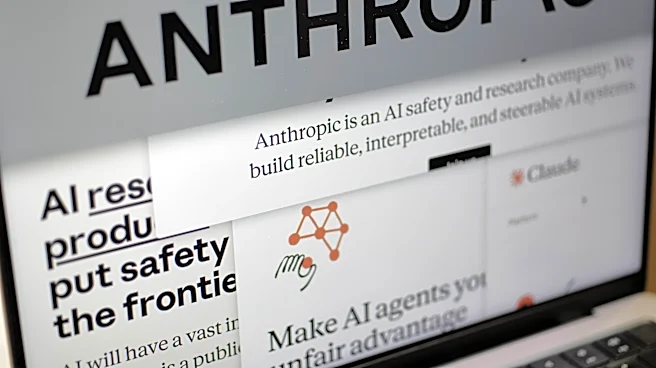
The National Security Agency (NSA) is reportedly using Anthropic's new AI model, Mythos, despite ongoing legal disputes between the AI company and the U.S. government. Mythos, a general-purpose language
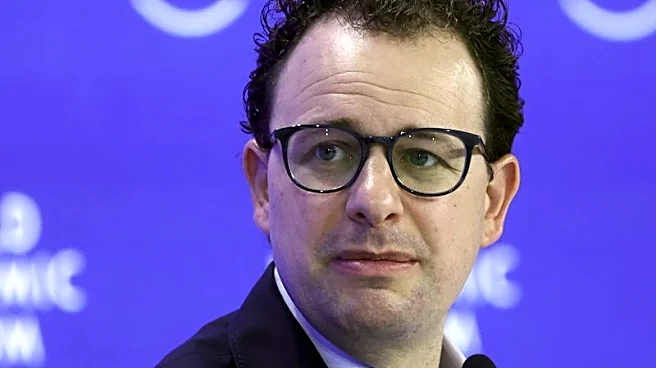
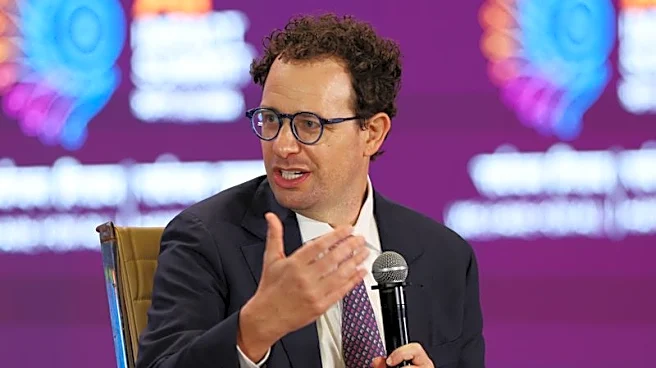
model known for its advanced computer security capabilities, was introduced by Anthropic in early April. The model has been shared with approximately 40 organizations, including the NSA, which is reportedly expanding its use within the department. This development follows a meeting between Anthropic CEO Dario Amodei and White House officials, including Chief of Staff Susie Wiles, to discuss the model. However, President Trump claimed to be unaware of the meeting. The legal conflict stems from the Trump administration's designation of Anthropic as a 'supply chain risk,' leading to lawsuits filed by Anthropic against the Department of Defense. While one court granted a preliminary injunction to block the designation, another court denied lifting the label.
Why It's Important?
The NSA's use of Mythos highlights the model's potential impact on national security and cybersecurity strategies. By leveraging Mythos, the NSA aims to enhance its cybersecurity capabilities, which could have significant implications for national defense and intelligence operations. However, the legal battle between Anthropic and the U.S. government underscores the tension between technological innovation and regulatory oversight. The designation of Anthropic as a 'supply chain risk' raises concerns about the security and control of advanced AI technologies. This situation could influence future policies regarding AI development and deployment, particularly in sensitive areas like national security. The outcome of the legal proceedings may set precedents for how AI companies interact with government agencies and navigate regulatory challenges.
What's Next?
The ongoing legal proceedings between Anthropic and the U.S. government are expected to continue, with potential implications for both parties. If Anthropic succeeds in lifting the 'supply chain risk' designation, it could pave the way for broader adoption of its technologies by government agencies. Conversely, if the designation is upheld, it may limit Anthropic's ability to collaborate with federal entities. The NSA's continued use of Mythos will likely be scrutinized by policymakers and industry stakeholders, potentially influencing future regulatory frameworks for AI technologies. Additionally, the outcome of this case could impact Anthropic's business operations and its relationships with other tech firms and government bodies.
Beyond the Headlines
The situation raises ethical and legal questions about the deployment of powerful AI models in government operations. The use of Mythos by the NSA, despite the legal disputes, highlights the complex balance between innovation and regulation. There are concerns about the potential misuse of such technologies and the need for robust safeguards to prevent unintended consequences. The case also reflects broader debates about the role of private tech companies in national security and the extent to which they should be subject to government oversight. As AI technologies continue to evolve, these issues will likely become more prominent in discussions about technology policy and governance.