






What's Happening?
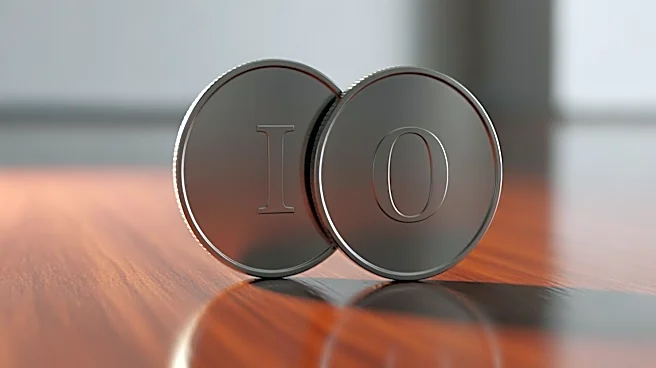
OpenAI Inc. has been legally barred from using the 'io' branding for its AI-powered devices due to an ongoing trademark infringement lawsuit filed by IYO Inc. The decision was made by Judge Trina L. Thompson of the US District Court for the Northern District of California,
who granted a preliminary injunction in favor of IYO. This injunction prevents OpenAI from using any mark that could be confusingly similar to IYO's trademark. The legal action follows OpenAI's acquisition of Io Products Inc. for $6.5 billion, which IYO claims infringes on its established brand. IYO, a company specializing in devices that facilitate interaction with smartphones and AI without screens, argues that OpenAI and its CEO, Sam Altman, were aware of IYO's brand since 2022. The court's decision extends a temporary restraining order initially granted in June 2025, which was upheld by the US Court of Appeals for the Ninth Circuit.
Why It's Important?
This legal development is significant as it highlights the complexities of trademark rights in the rapidly evolving tech industry. The ruling underscores the importance of brand identity and the potential legal challenges that can arise from acquisitions and branding strategies. For OpenAI, this injunction could delay or alter its plans to launch AI-powered hardware, impacting its market strategy and competitive positioning. For IYO, the ruling protects its brand integrity and market share in the wearable tech industry. The case also illustrates the broader implications of intellectual property rights in fostering innovation while protecting established brands from potential infringement.
What's Next?
As the lawsuit progresses, OpenAI may need to reconsider its branding strategy for its AI devices to comply with the court's ruling. The company might explore alternative branding options or negotiate a settlement with IYO to resolve the dispute. The outcome of this case could set a precedent for future trademark disputes in the tech industry, particularly involving AI and wearable technology. Stakeholders, including investors and competitors, will be closely monitoring the case for its potential impact on market dynamics and intellectual property law.