



What's Happening?
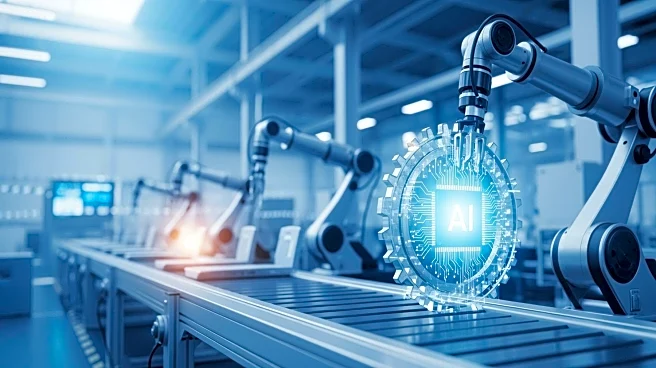
The U.S. manufacturing sector is facing significant disruptions from multiple fronts, including economic nationalism, demographic shifts, political divisions, and the rise of artificial intelligence (AI). Economic nationalism, characterized by policies such as tariffs and subsidies, is fragmenting the global trade framework, impacting U.S. manufacturing centers as industries move production overseas. Demographic changes, particularly the retirement of Baby Boomers, are creating workforce challenges. Political and cultural divisions are increasing, with a Gallup survey indicating that 80% of Americans believe the country is greatly divided. AI is emerging as a major disruptor, with the World Economic Forum predicting it will displace 92 million
jobs globally by 2030, while also creating new opportunities.
Why It's Important?
These disruptions have profound implications for U.S. industries and the economy. Economic nationalism could lead to increased costs and reduced competitiveness for U.S. manufacturers. The demographic shift may result in labor shortages and succession planning challenges. Political divisions could affect business operations and consumer behavior. AI's impact on jobs and productivity could reshape the workforce and economic landscape. Companies must adapt to these changes to remain competitive, requiring strategic planning and innovation. The ability to navigate these disruptions will determine the future success of U.S. manufacturing and its role in the global economy.
What's Next?
Manufacturers are expected to continue adapting their strategies to address these disruptions. This may involve investing in AI and automation to enhance productivity and offset labor shortages. Companies might also need to reassess their supply chains and consider reshoring production to mitigate the risks of economic nationalism. Engaging in workforce development and diversity initiatives could help address demographic challenges. As political and cultural divisions persist, businesses may need to navigate these dynamics carefully to maintain consumer trust and brand reputation.