





What's Happening?
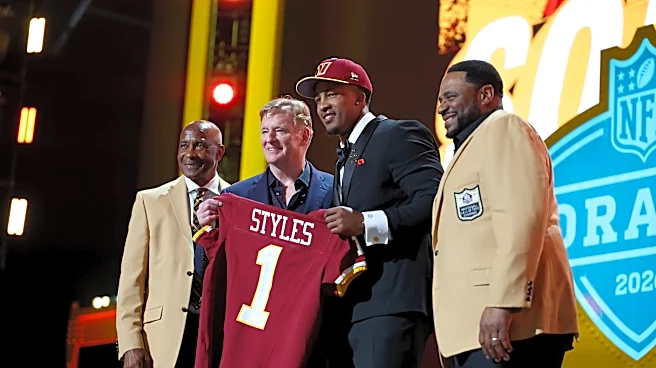
Eli Manning, former NFL quarterback, clarified that his decision to refuse to play for the San Diego Chargers after being drafted first overall in 2004 was entirely his own, contrary to popular belief that his father, Archie Manning, influenced the choice.
During an appearance on the podcast 'Bussin’ With The Boys,' Manning explained that while he and his agent, Tom Condon, agreed that San Diego was not the right fit, his parents were not supportive of his decision. Manning respected then-Chargers coach Marty Schottenheimer but sensed friction within the team's management and doubted their commitment to winning. Ultimately, a trade was arranged with the New York Giants, where Manning went on to win two Super Bowl MVPs.
Why It's Important?
Eli Manning's decision to refuse the Chargers' draft pick highlights the complexities athletes face when entering professional sports, where personal and career considerations can outweigh initial opportunities. This move underscores the importance of athletes having agency over their careers, even when it involves significant risks. Manning's eventual success with the Giants, including two Super Bowl victories, validates his decision and illustrates how strategic career choices can lead to long-term success. The situation also sheds light on the dynamics between athletes and their families, as well as the potential for public misperception regarding their influence.
What's Next?
While the events surrounding Manning's draft are historical, they continue to serve as a reference point for current and future athletes navigating their entry into professional sports. The story may influence how young athletes and their advisors approach draft decisions, emphasizing the importance of aligning career moves with personal goals and team dynamics. Additionally, it may prompt teams to consider how their internal management and reputation can impact their ability to attract top talent.