
What's Happening?
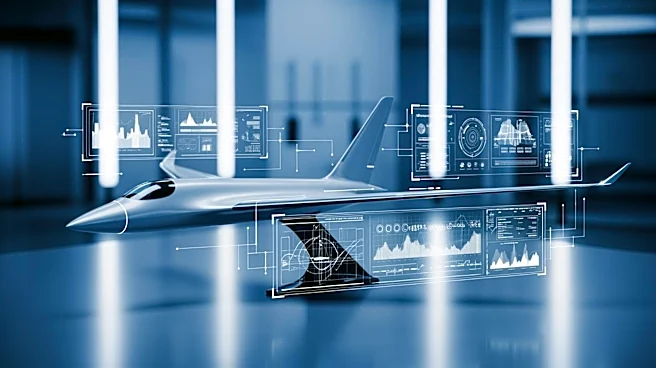
The German Aerospace Center (DLR) is promoting the use of certification by analysis as a means to accelerate the maturity of aerospace technologies. This approach involves replacing some physical tests
with virtual assessments, potentially reducing the time and cost associated with bringing new technologies to market. Markus Fischer, a divisional board member for aeronautics at DLR, highlighted the potential of this method during a panel discussion at the ILA Berlin event. The approach is seen as a way to support the European aerospace industry's efforts to integrate new technologies into future aircraft, such as Airbus' next-generation single-aisle planes, while shortening the research and development cycle.
Why It's Important?
Certification by analysis could significantly impact the aerospace industry by enabling faster and more cost-effective development of new technologies. This method allows for a more thorough exploration of design possibilities within a virtual space, potentially leading to innovations that might otherwise be deemed too risky or expensive to pursue. By reducing reliance on costly physical testing, the industry could see a quicker adoption of advanced technologies, enhancing competitiveness and innovation in the aerospace sector.
What's Next?
DLR is working to have certification by analysis broadly accepted within the industry and included in future EU research and innovation funding plans. As this approach gains traction, it may lead to changes in how aerospace technologies are developed and certified, with potential implications for regulatory frameworks and industry standards. Collaboration with certification authorities will be crucial to ensure that virtual assessments are recognized and trusted as part of the certification process.
Beyond the Headlines
The adoption of certification by analysis could also influence other high-tech industries that rely on rigorous testing and certification processes. It may encourage a broader shift towards digital and virtual methodologies in engineering and design, fostering a culture of innovation and efficiency. Additionally, this approach could lead to a reevaluation of risk management practices, as companies balance the benefits of virtual testing with the need for physical validation.