




What's Happening?
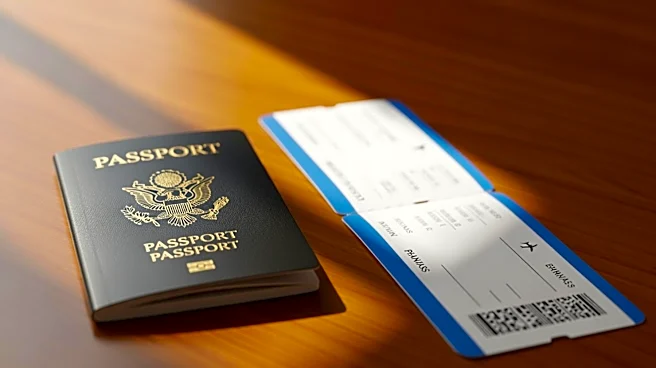
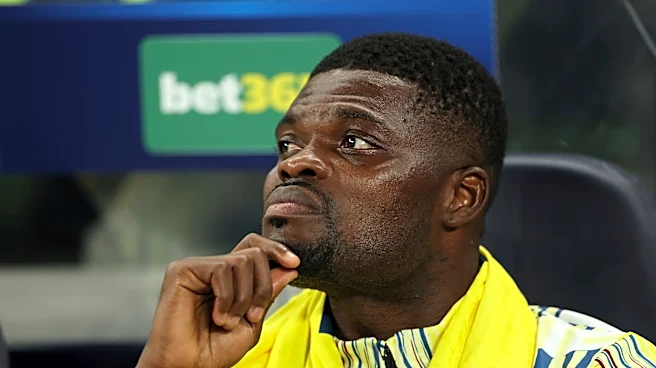
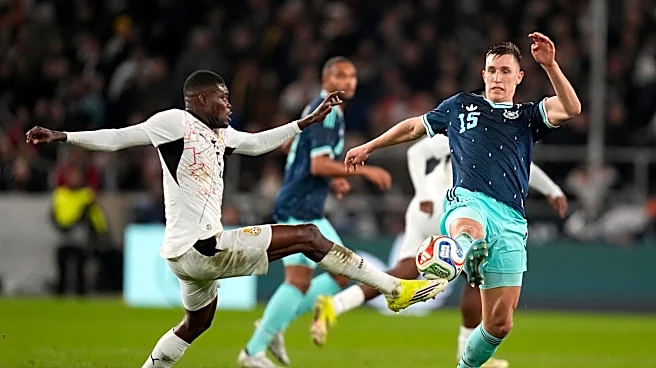
Thomas Partey, a Ghanaian midfielder, has been refused entry to Canada ahead of Ghana's World Cup opener against Panama. The Canadian government denied his visa application, citing ongoing legal issues. Partey, who is on bail for allegations of rape and
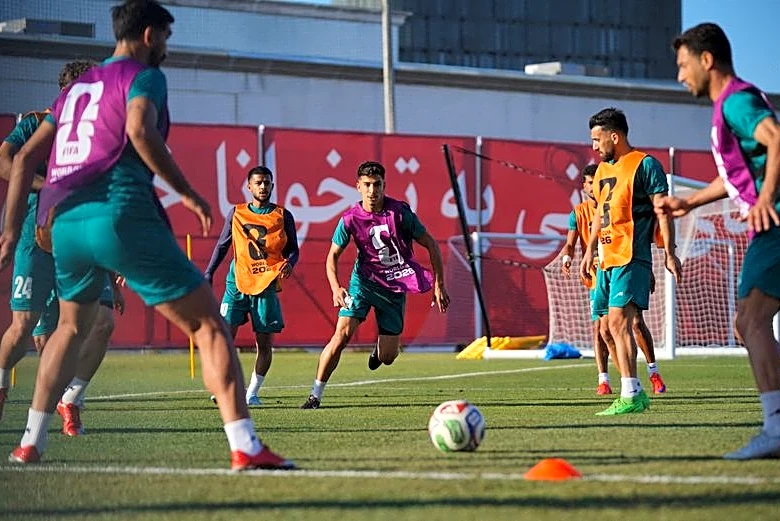
sexual assault, denies the charges. Despite the visa denial, he remains eligible to play in the United States, where Ghana will face England in Boston. Ghana's government has criticized Canada's decision as unfair and is seeking a resolution through diplomatic channels. FIFA has stated that it does not involve itself in immigration matters of host countries.
Why It's Important?
The denial of entry to Canada for Thomas Partey highlights the complexities and challenges athletes face when legal issues intersect with international sporting events. This situation underscores the importance of immigration policies and their impact on global sports. For Ghana, the absence of a key player could affect team performance and strategy. The incident also raises questions about the balance between legal proceedings and the presumption of innocence, as well as the role of diplomatic efforts in resolving such disputes. The broader implications for international sports events include potential disruptions and the need for clear guidelines on handling similar cases.
What's Next?
Ghana is actively engaging with Canadian authorities to resolve the issue before the match against Panama. The outcome of these diplomatic efforts could set a precedent for future cases involving athletes with legal challenges. Meanwhile, Partey is expected to participate in Ghana's subsequent matches in the United States. The situation may prompt discussions within FIFA and other sports organizations about the need for standardized procedures when athletes face legal issues. Additionally, the case could influence how countries handle visa applications for individuals with pending legal matters, potentially affecting future international events.