





What's Happening?
Elon Musk testified in a California court, expressing regret over his financial support for OpenAI, the company behind ChatGPT. Musk, who co-founded OpenAI, is suing the organization, claiming that its leaders, including CEO Sam Altman, deviated from
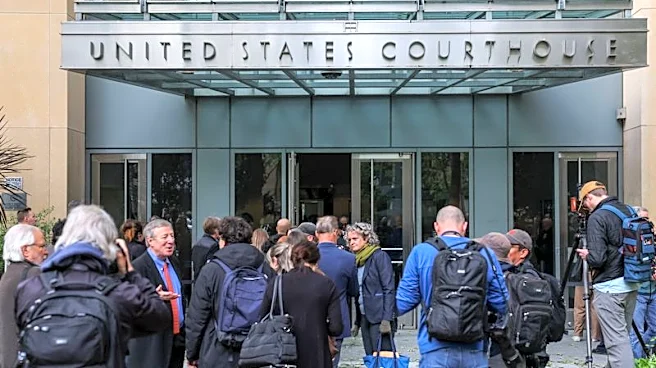
the original nonprofit mission. Musk alleges that OpenAI prioritized profit over its founding goal of advancing AI for public benefit. The trial, which began in the U.S. District Court for the Northern District of California, is expected to last four weeks. Musk's lawsuit seeks to remove Altman from OpenAI's board and could potentially disrupt OpenAI's plans for an initial public offering.
Why It's Important?
The trial could have significant implications for the artificial intelligence industry, potentially altering the balance of power among major AI players. Musk's lawsuit highlights the tension between nonprofit and for-profit models in tech innovation, raising questions about the ethical responsibilities of AI companies. If Musk succeeds, it could lead to changes in OpenAI's leadership and strategy, impacting its future development and market position. The case also underscores the broader debate over corporate governance and the influence of major investors in tech startups.
What's Next?
As the trial continues, further testimonies from key figures in the tech industry, including OpenAI's leadership and Microsoft's executives, are expected. The outcome of the trial could influence OpenAI's strategic direction and its relationship with major investors like Microsoft. Additionally, the case may prompt other tech companies to reevaluate their governance structures and investor agreements to prevent similar disputes. The trial's resolution will be closely watched by industry stakeholders and could set a precedent for future legal battles in the tech sector.