
What's Happening?
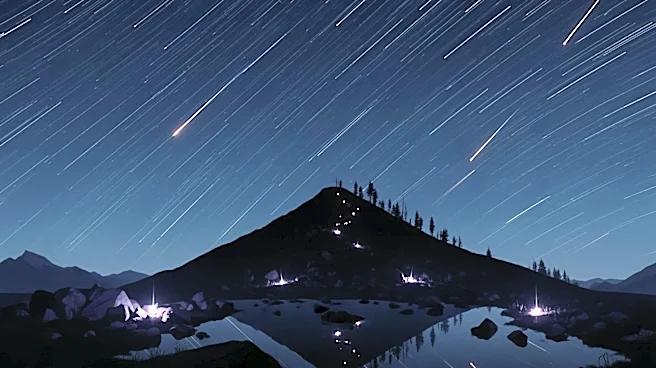
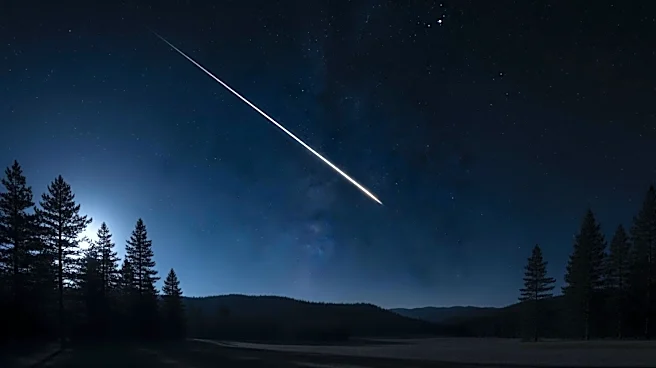
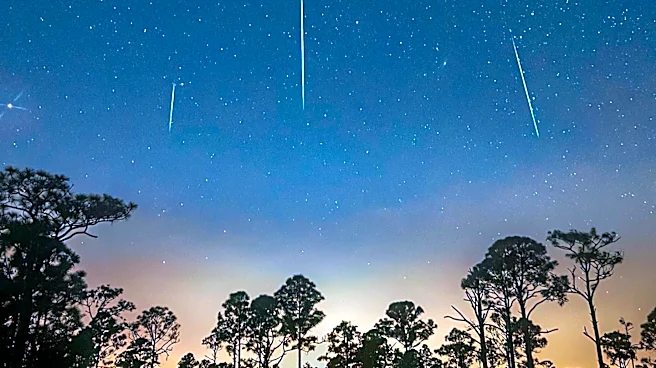
The Lyrid meteor shower is set to peak this week, providing a celestial spectacle for skywatchers. With the moon absent from the sky, observers in dark locations can expect to see 15 to 20 meteors per
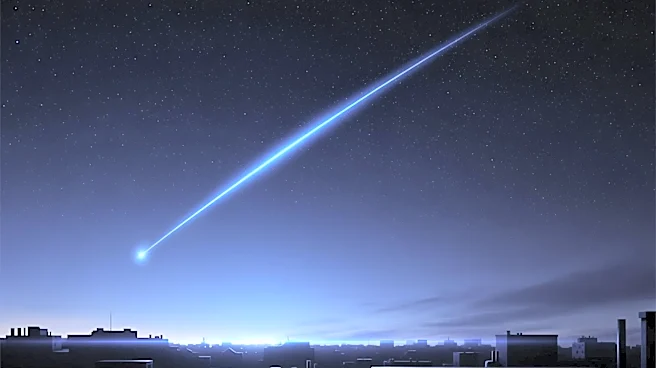
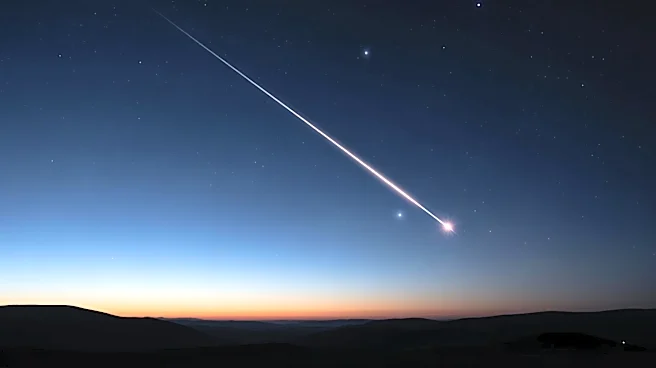
hour from midnight through dawn on April 22. The Lyrids, which originate from debris left by Comet Thatcher, are visible as Earth passes through the comet's dust stream. These meteors travel at approximately 108,000 mph, burning up in Earth's atmosphere and creating bright streaks of light. The shower's radiant point is near the bright star Vega in the constellation Lyra.
Why It's Important?
Meteor showers like the Lyrids offer a unique opportunity for the public to engage with astronomy and appreciate the natural wonders of the night sky. Such events can inspire interest in space science and foster a greater understanding of our solar system's dynamics. The Lyrids are one of the oldest recorded meteor showers, with observations dating back over 2,600 years, adding historical significance to the event. For amateur astronomers and enthusiasts, the shower provides a chance to observe and document celestial phenomena, contributing to citizen science efforts.