
What's Happening?
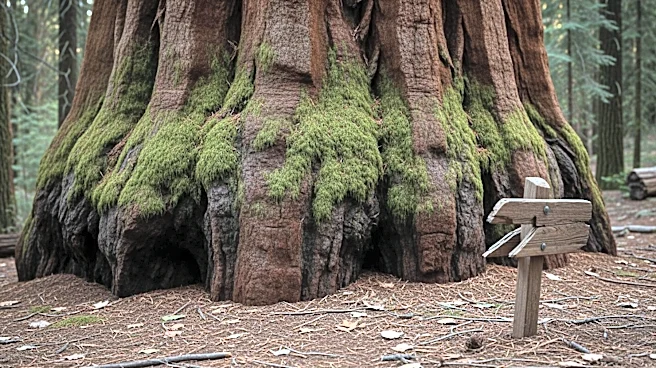
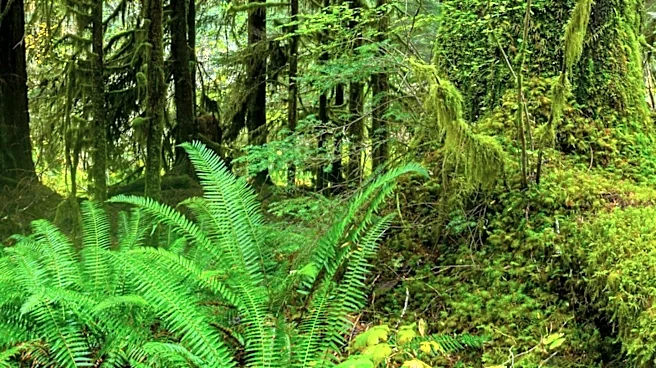
Moss, one of nature's most ancient and resilient plant forms, is being celebrated for its beauty and ecological significance. Conor Knighton reports on the Moss Garden at Washington State's Bloedel Reserve,
where a variety of moss species are showcased. These flowerless, non-vascular plants have thrived for over 450 million years, adapting to various climatic conditions. The garden offers visitors a chance to appreciate the intricate beauty and ecological role of moss. Additionally, Lewis & Clark College hosts an annual Moss Appreciation Week, further promoting awareness and appreciation of these unique plants.
Why It's Important?
The focus on moss at Bloedel Reserve and Lewis & Clark College highlights the ecological importance of these plants, which play a crucial role in their environments. Mosses contribute to soil formation, water retention, and provide habitats for small organisms. By showcasing moss, these institutions are fostering a greater understanding of biodiversity and the need to preserve natural habitats. This appreciation can lead to increased conservation efforts and a deeper respect for the often-overlooked components of ecosystems that are vital for environmental health.