






What's Happening?
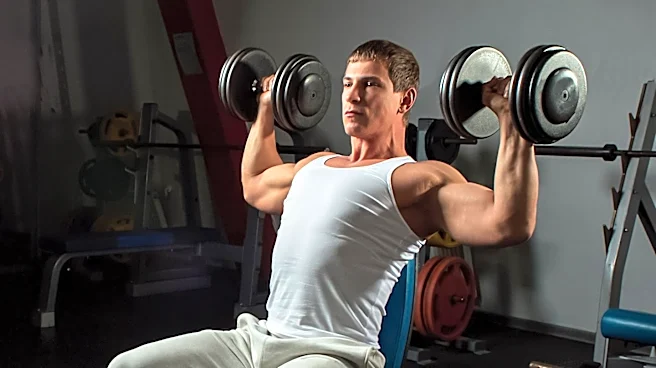
Sports scientist Ken Nosaka from Edith Cowan University in Australia advocates for the increased use of eccentric exercise in fitness routines. Eccentric exercise involves movements where muscles lengthen under load, such as lowering a dumbbell or descending
stairs. Nosaka's research suggests that this type of exercise can produce significant fitness benefits with less effort compared to traditional methods. It is particularly beneficial for older adults, sedentary individuals, and those with health restrictions. Eccentric exercises are already used in muscle injury rehabilitation and are gaining recognition for their broader applicability. Nosaka emphasizes that these exercises can be performed without gym equipment, making them accessible and practical for everyday life.
Why It's Important?
The promotion of eccentric exercise could have significant implications for public health, particularly for populations that find traditional exercise challenging. By offering a less strenuous yet effective workout option, eccentric exercises could increase physical activity levels among older adults and those with health limitations, potentially reducing healthcare costs associated with inactivity-related conditions. Additionally, the approach aligns with the growing trend of making fitness more inclusive and accessible, encouraging a wider demographic to engage in regular physical activity. This could lead to improved overall health outcomes and a reduction in lifestyle-related diseases.
What's Next?
As awareness of the benefits of eccentric exercise grows, it is likely that fitness programs and public health initiatives will begin to incorporate these methods more widely. This could involve educational campaigns to inform the public about how to perform eccentric exercises safely and effectively. Fitness professionals may also start to integrate these exercises into their training regimens, offering clients a more diverse range of workout options. Further research could explore the long-term benefits of eccentric exercise and its potential to prevent or manage chronic health conditions.
Beyond the Headlines
The shift towards eccentric exercise reflects a broader cultural change in how society views fitness and health. By challenging the notion that exercise must be exhausting to be effective, this approach could redefine fitness norms and encourage more sustainable exercise habits. It also highlights the importance of scientific research in shaping public health recommendations and the potential for innovative exercise methods to address contemporary health challenges.