


What's Happening?
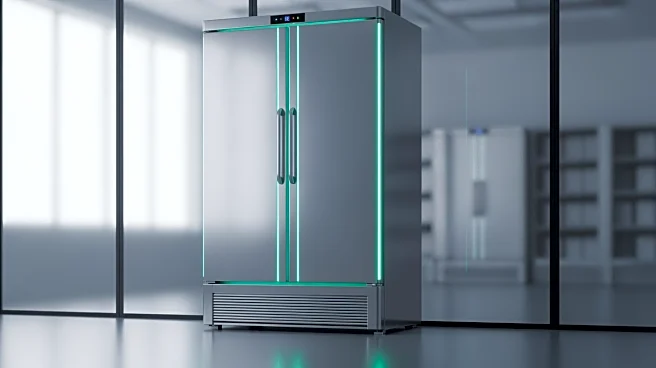
Royal Euser, a major logistics service provider in the Netherlands, has selected the Sunswap Endurance transport refrigeration unit to enhance its cold chain operations. This move replaces traditional diesel-powered refrigeration with an electric system,
supported by solar charging panels mounted on trailers. The Endurance unit is designed to operate for up to 24 hours on a single charge for frozen goods and up to two months for chilled applications. It provides continuous performance data, allowing operators to monitor fleet operations effectively. The system is PIEK compliant, ensuring low noise output suitable for urban and night deliveries. By eliminating diesel engine use, the system significantly reduces emissions and operating costs, with reports indicating up to an 81% reduction compared to diesel units.
Why It's Important?
The adoption of the Sunswap Endurance system by Royal Euser represents a significant step towards sustainable logistics and zero-emission operations. This transition not only reduces the environmental impact of cold chain logistics but also aligns with global efforts to combat climate change. For Euser, the system offers substantial cost savings and operational efficiencies, enhancing its competitive edge in the logistics industry. The move also reflects a growing trend among logistics providers to adopt greener technologies, driven by regulatory pressures and consumer demand for sustainable practices. This shift could influence other companies in the sector to explore similar technologies, accelerating the transition to zero-emission logistics.
Beyond the Headlines
The implementation of electric refrigeration systems like Sunswap Endurance highlights the broader shift towards sustainable logistics solutions. This transition raises important considerations regarding infrastructure development, such as the need for widespread charging facilities and the integration of renewable energy sources. Additionally, the move towards electric systems may prompt regulatory changes and incentives to support the adoption of green technologies in logistics. As companies like Euser lead the way, the logistics industry may experience a cultural shift towards prioritizing environmental responsibility alongside operational efficiency.