
What's Happening?
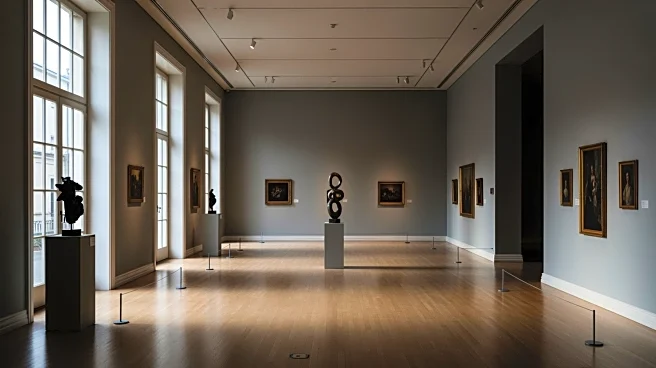
In 2025, a significant number of art galleries have closed their doors, marking a notable shift in the art market landscape. These closures include prominent names such as Blum, High Art, and Venus Over
Manhattan, each known for their unique contributions to the art world. The reasons for these closures vary, ranging from economic challenges to strategic downsizing. Despite these setbacks, a new wave of galleries is emerging, particularly in New York, where ambitious and savvy new entrants are revitalizing the scene. This renaissance is characterized by innovative approaches and a fresh crop of artists and gallerists eager to make their mark.
Why It's Important?
The closure of these galleries represents a significant shift in the art market, affecting artists, collectors, and the cultural landscape. Galleries play a crucial role in promoting artists and bringing new art into circulation. Their closure can disrupt the careers of artists who rely on these spaces for exposure and sales. For collectors, the loss of these galleries means fewer opportunities to discover and acquire new works. However, the emergence of new galleries suggests a dynamic and evolving market, where new players are stepping in to fill the void, potentially leading to innovative practices and fresh perspectives in the art world.
What's Next?
As the art market continues to evolve, the focus will likely shift towards supporting emerging galleries and artists. The new entrants in the market are expected to bring fresh ideas and approaches, potentially reshaping the art scene. Collectors and art enthusiasts may need to adapt to these changes, exploring new venues and supporting up-and-coming artists. The ongoing market dynamics could also lead to further consolidation or collaboration among galleries, as they seek to navigate the challenges and opportunities presented by the current economic climate.
Beyond the Headlines
The closure of established galleries highlights broader economic and cultural trends, including the impact of market fluctuations and changing consumer preferences. It also raises questions about the sustainability of traditional gallery models and the need for innovation in the art industry. The rise of new galleries may signal a shift towards more flexible and adaptive business models, potentially incorporating digital platforms and alternative exhibition spaces. This evolution could democratize access to art, making it more accessible to a wider audience and fostering a more inclusive art community.