


What's Happening?
Tom Hancock, a fund manager at GMO, has highlighted potential investment shifts due to rising oil prices and ongoing Middle East tensions, particularly the conflict involving Iran, the US, and Israel. The closure of the Strait of Hormuz, a critical shipping
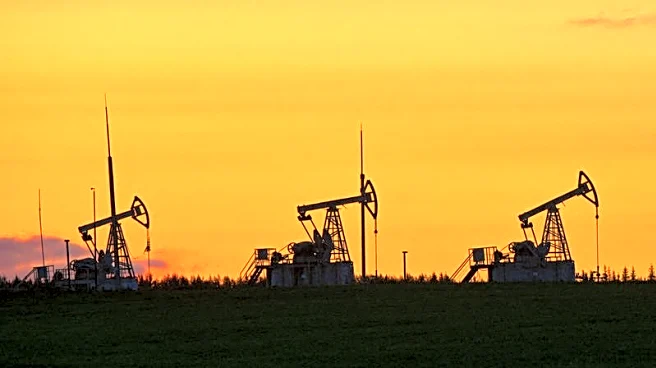
lane, has led to a surge in oil prices, reaching $100 per barrel. Hancock suggests that this situation could impact tech stocks and the AI trade, as Middle Eastern oil producers may have less capital to invest in US assets. This could affect tech companies that rely on foreign investment to fund AI data centers and hardware. Hancock also notes that increased energy costs could impact tech manufacturers' profit margins. In response to these market conditions, Hancock recommends increasing investments in the healthcare sector, which he views as a defensive and attractive opportunity.
Why It's Important?
The potential closure of the Strait of Hormuz and the resulting rise in oil prices could have significant implications for the US economy and global markets. Tech companies, which are heavily reliant on foreign investment, may face challenges in securing necessary capital, potentially slowing down advancements in AI and technology infrastructure. Additionally, increased energy costs could strain profit margins for tech manufacturers. Hancock's recommendation to shift investments towards the healthcare sector underscores the sector's resilience and potential for growth, even amidst economic volatility. This shift could influence broader investment strategies and market dynamics, as investors seek stability in uncertain times.
What's Next?
If the blockade of the Strait of Hormuz persists, it could lead to prolonged disruptions in global oil supply and further impact investment flows into the US tech sector. Investors may continue to seek refuge in defensive sectors like healthcare, potentially driving up valuations in that area. Additionally, policymakers and industry leaders may need to address the broader economic implications of sustained Middle East tensions and rising energy costs. The situation remains fluid, and market participants will likely monitor developments closely to adjust their strategies accordingly.