


What's Happening?
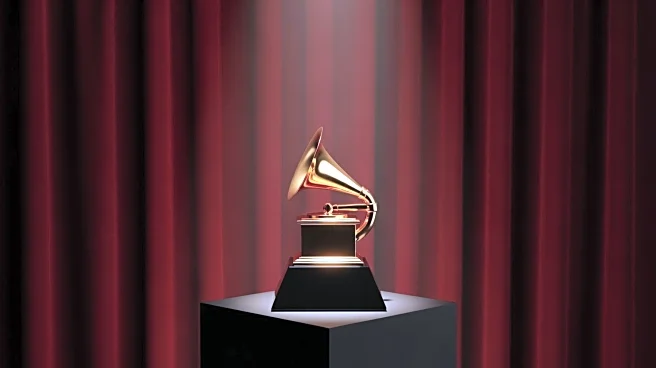
Bad Bunny made history at the 68th annual Grammy Awards by winning the album of the year for his album 'Debí Tirar Más Fotos.' This achievement marks the first time a Spanish-language album has received this prestigious honor. The album is a tribute to Bad Bunny's Puerto Rican roots, incorporating traditional genres such as bomba and plena, alongside contemporary reggaeton and Latin trap. The ceremony also saw Kendrick Lamar and SZA win record of the year for 'Luther,' and Billie Eilish and Finneas O'Connell take song of the year with 'Wildflower.' The event highlighted the diversity within the music industry, with a focus on honoring traditional musical influences.
Why It's Important?
Bad Bunny's win is significant as it represents a major recognition of Spanish-language
music within the mainstream U.S. music industry. This milestone could pave the way for greater inclusion and appreciation of Latin music genres at major award ceremonies. It also reflects the growing influence of Latin artists in the global music scene. The Grammy's acknowledgment of diverse musical styles and languages may encourage more artists to explore and incorporate their cultural heritage into their work, potentially leading to a richer and more varied musical landscape.
What's Next?
Following his Grammy win, Bad Bunny is set to perform at the Super Bowl LX halftime show, which could further elevate his profile and the visibility of Latin music. The Grammy's recognition of diverse music styles may influence future award nominations and winners, encouraging the industry to continue embracing a wider range of musical expressions. Artists and producers might increasingly seek to blend traditional and contemporary sounds, inspired by the success of albums like 'Debí Tirar Más Fotos.'
Beyond the Headlines
The Grammy Awards' focus on diversity and tradition highlights a shift in the music industry's values, where historical and cultural authenticity are increasingly celebrated. This trend may lead to a reevaluation of what constitutes 'Grammy-worthy' music, potentially challenging the dominance of English-language pop and rock genres. The event also underscores the importance of cultural representation in media, as artists like Bad Bunny use their platforms to address social and political issues, resonating with a global audience.