



What's Happening?
The United States has launched new trade investigations into 60 economies to assess their efforts in curbing imports of goods produced with forced labor. This action, conducted under Section 301(b) of the Trade Act of 1974, targets countries including
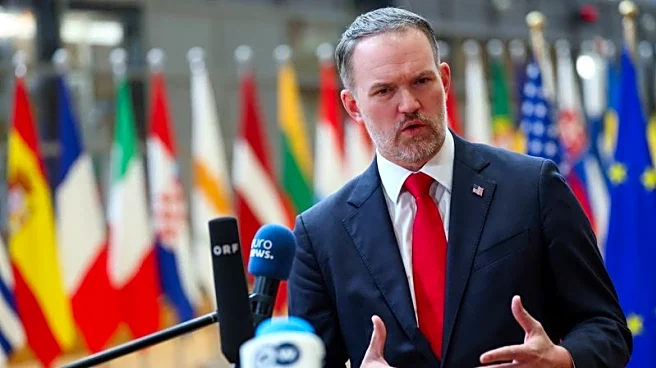
China, the European Union, India, and Mexico. U.S. Trade Representative Jamieson Greer stated that despite international consensus against forced labor, many governments have not effectively enforced measures to prevent such goods from entering their markets. The investigations aim to determine whether these countries have taken adequate steps to prohibit the importation of goods produced with forced labor and to assess the impact on U.S. workers and businesses. This move follows previous Section 301 investigations into excess industrial capacity across 16 economies.
Why It's Important?
The investigations could have significant implications for international trade relations and U.S. economic policy. By targeting a broad range of countries, the U.S. is signaling its commitment to addressing forced labor issues, which could lead to increased tariffs or other trade measures against non-compliant nations. This could impact global supply chains and trade dynamics, particularly with major economies like China and the European Union. The move also reflects ongoing tensions in U.S. trade policy, as the administration seeks to balance enforcement of labor standards with maintaining cooperative international trade relationships.
What's Next?
The U.S. Trade Representative will hold hearings on these investigations from April 28 to May 1. The outcomes of these hearings could lead to further trade actions, including the imposition of tariffs. The broad scope of the investigations may also prompt diplomatic discussions with affected countries, as the U.S. seeks to address forced labor practices while maintaining trade partnerships. The administration's approach may influence future trade negotiations and agreements, particularly in terms of labor standards and enforcement mechanisms.