




What's Happening?
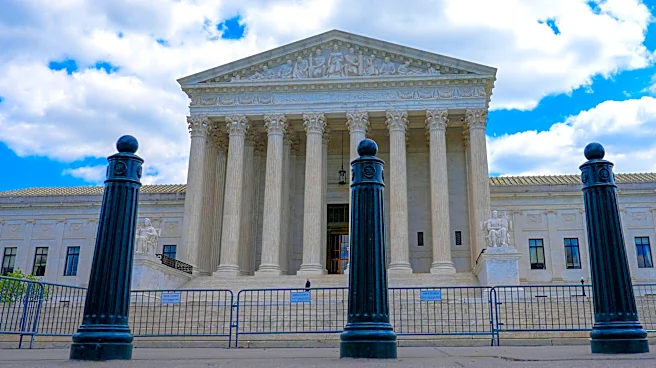
A series of nine class action lawsuits have been filed in Chicago's federal court against major technology companies, including Google, Amazon, Apple, and Microsoft. The lawsuits allege that these companies have used the voices of well-known journalists,
podcasters, and voice actors without consent to train their artificial intelligence models. The legal actions are based on Illinois' Biometric Information Privacy Act (BIPA), which is considered one of the strongest biometric data privacy laws in the United States. The plaintiffs, including retired NBC 5 news station journalists Carol Marin and Phil Rogers, claim that their voice recordings were ingested by these companies to develop AI foundational voice models, constituting a significant violation of biometric privacy.
Why It's Important?
This legal development underscores the growing tension between technological advancement and privacy rights. The lawsuits highlight the potential for misuse of biometric data, which is unique and irreplaceable, unlike other personal identifiers such as Social Security numbers. The outcome of these cases could set a precedent for how biometric data is handled by tech companies, potentially leading to stricter regulations and compliance requirements. This could impact the operations of tech giants, who may need to overhaul their data collection and consent processes, affecting their AI development strategies. The cases also bring attention to the ethical considerations of using personal data without explicit consent, which could influence public perception and trust in these companies.
What's Next?
The lawsuits are expected to proceed through the legal system, with potential implications for the tech industry depending on the court's rulings. If the courts find in favor of the plaintiffs, it could lead to significant financial penalties for the companies involved and necessitate changes in how they collect and use biometric data. The cases may also prompt other states to consider similar legislation to protect biometric privacy, potentially leading to a patchwork of state laws that tech companies will need to navigate. Additionally, the lawsuits could encourage more individuals to come forward with similar claims, further increasing the legal and financial pressures on these companies.