



What's Happening?
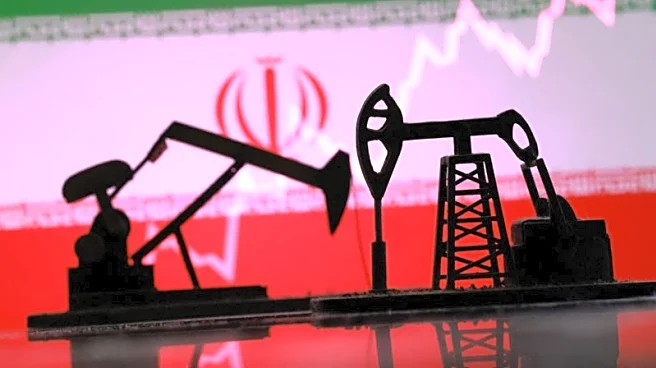
Gas prices in the United States have increased by more than 33 cents in the week following the onset of the conflict in Iran. This surge is attributed to the closure of the Strait of Hormuz, a critical shipping channel for global oil supply. The conflict has
led to disruptions in oil transportation, causing a ripple effect on gas prices domestically. NBC’s Christine Romans reported on the economic implications of the conflict, highlighting the immediate impact on Wall Street and the broader U.S. economy.
Why It's Important?
The rise in gas prices has significant implications for the U.S. economy, affecting both consumers and businesses. Higher fuel costs can lead to increased transportation and production expenses, which may be passed on to consumers in the form of higher prices for goods and services. This can contribute to inflationary pressures, potentially impacting consumer spending and economic growth. Additionally, the situation underscores the vulnerability of global supply chains to geopolitical tensions, emphasizing the need for energy diversification and strategic reserves.
What's Next?
As the situation in Iran develops, further fluctuations in gas prices are possible. Stakeholders, including government officials and industry leaders, may need to consider measures to stabilize the market and mitigate economic impacts. This could involve strategic releases from oil reserves or diplomatic efforts to reopen the Strait of Hormuz. Monitoring the conflict's progression and its effects on global oil supply will be crucial for anticipating future economic conditions.