




What's Happening?
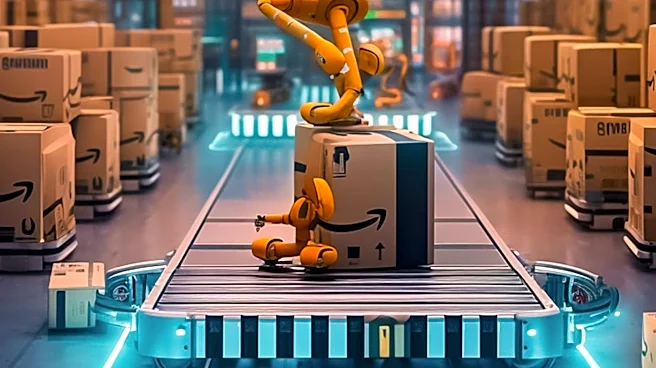
The logistics industry is increasingly integrating artificial intelligence (AI) to enhance human capabilities rather than replace them. AI is rapidly advancing and becoming a critical component of supply chain operations, helping organizations operate
smarter and more efficiently. Unlike the slow adoption of RFID technology, AI has quickly become integral to daily workflows, with capabilities advancing at a staggering pace. The logistics industry is learning that AI success depends on elevating human capabilities, with a focus on developing a workforce capable of managing and scaling AI-enabled systems. This shift is occurring in a volatile environment shaped by geopolitical disruptions, labor shortages, and pressure for faster response times.
Why It's Important?
The integration of AI in logistics is significant as it represents a shift from viewing automation as a workforce replacement strategy to an efficiency tool that amplifies human capability. This approach is crucial in addressing the challenges of a volatile logistics environment, including geopolitical disruptions and labor shortages. By focusing on reskilling and retaining workers who can operate alongside AI systems, the logistics industry can enhance operational efficiency and response times. This shift is essential for maintaining competitiveness and meeting the growing demands of the global supply chain.
Beyond the Headlines
The adoption of AI in logistics highlights the broader trend of technology integration in enhancing human capabilities across industries. This shift has ethical and cultural implications, as it challenges traditional views on automation and workforce dynamics. The focus on reskilling and retaining workers emphasizes the importance of human capital in the digital age. As AI continues to evolve, organizations will need to balance technological advancements with workforce development to ensure sustainable growth and competitiveness.