




What's Happening?
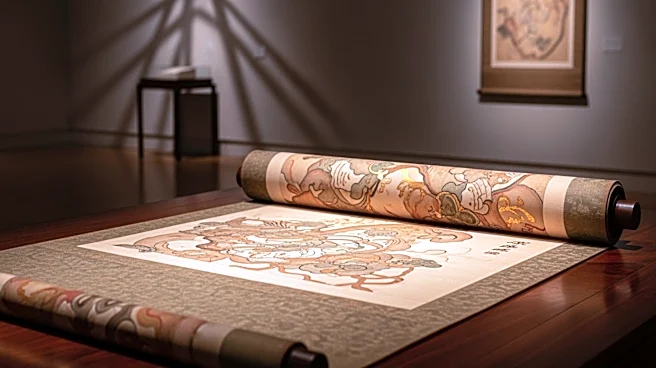
The Los Angeles County Museum of Art (LACMA) has unveiled its new David Geffen Galleries, which feature a unique approach to art presentation. The galleries house approximately 2,000 works from LACMA's extensive collection, organized not by traditional
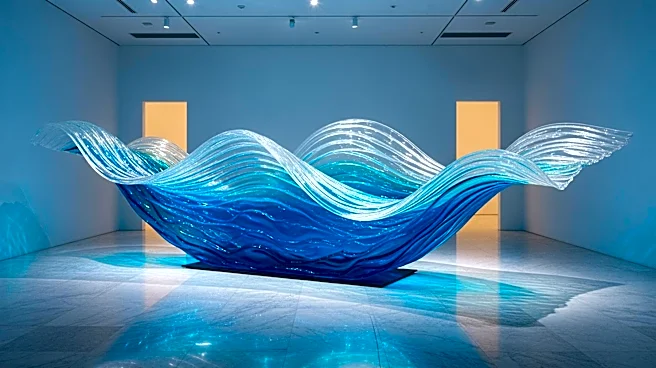
categories such as nationality or time period, but by four major bodies of water: the Atlantic, Pacific, and Indian Oceans, and the Mediterranean Sea. This thematic organization reflects the historical movement of resources, exchange of ideas, and cultural blending. The galleries are designed to encourage visitors to explore and interact with the art in a fluid, dynamic manner, with installations that will evolve over time. This approach aims to offer a fresh perspective on familiar works and introduce new pieces in a context that emphasizes change and interaction.
Why It's Important?
The innovative organization of the David Geffen Galleries at LACMA represents a significant shift in how art is presented and experienced in museums. By focusing on the theme of water, the museum highlights the interconnectedness of cultures and the historical significance of trade and exchange. This approach not only challenges traditional museum practices but also encourages visitors to engage with art in a more personal and exploratory way. The evolving nature of the installations means that repeat visits can offer new insights and experiences, potentially increasing visitor engagement and attendance. This model could influence other institutions to rethink their exhibition strategies, promoting a more dynamic and inclusive approach to art curation.
What's Next?
As the installations in the David Geffen Galleries are designed to change over time, visitors can expect to see new works and different configurations in future visits. This ongoing evolution will likely keep the galleries fresh and engaging, encouraging repeat visits and sustained interest. Additionally, the success of this thematic and dynamic approach may inspire other museums to adopt similar strategies, potentially leading to broader changes in how art is curated and experienced globally. LACMA's initiative could also spark discussions about the role of museums in reflecting cultural and historical narratives in innovative ways.