
What's Happening?
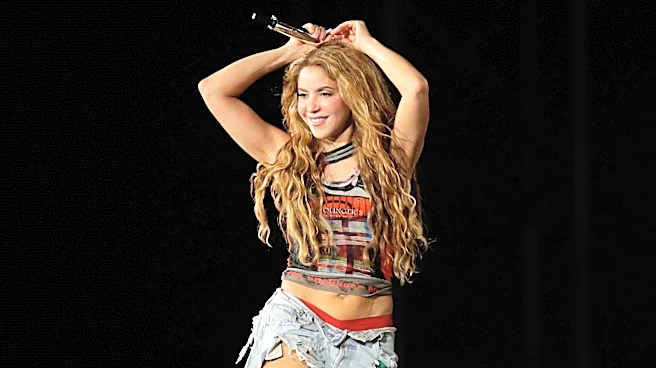
Shakira and Nigerian singer-songwriter Burna Boy have collaborated to release the official song for the 2026 FIFA World Cup, titled 'Dai Dai.' According to FIFA, the song is a vibrant celebration of football,
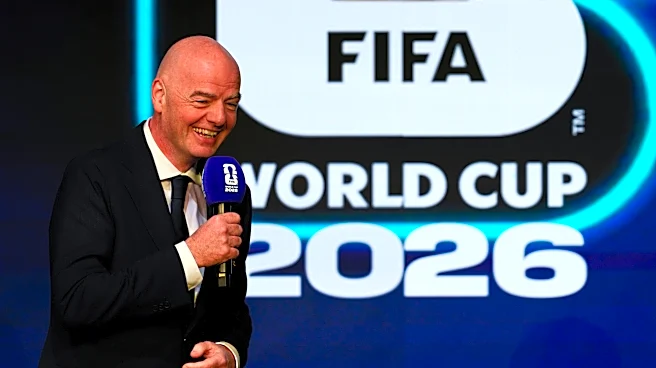
culture, and unity, combining the global sounds and energy of both artists. The announcement was made by FIFA, highlighting the song's availability on major streaming platforms. Additionally, royalties from 'Dai Dai' will support the FIFA Global Citizen Education Fund. The World Cup, which will be co-hosted by the United States, Canada, and Mexico, is set to begin in June 2026. The final match, scheduled for July 19 in New Jersey, will feature a star-studded halftime show with performances by Madonna, Shakira, and the boy band BTS.
Why It's Important?
The release of 'Dai Dai' as the official World Cup song underscores the global cultural impact of the tournament, which is one of the most-watched sporting events worldwide. By featuring artists like Shakira and Burna Boy, the song aims to resonate with a diverse international audience, promoting themes of unity and celebration. The involvement of high-profile artists also highlights the World Cup's role as a platform for cultural exchange and global entertainment. Furthermore, the decision to allocate song royalties to the FIFA Global Citizen Education Fund reflects an effort to leverage the event's popularity for philanthropic purposes, potentially benefiting educational initiatives worldwide.
What's Next?
As the World Cup approaches, anticipation will build around the tournament's cultural and sporting events. The release of 'Dai Dai' is likely to be followed by promotional activities and performances leading up to the World Cup. The halftime show featuring Madonna, Shakira, and BTS is expected to draw significant attention, further enhancing the event's entertainment value. Stakeholders, including sponsors and broadcasters, will likely capitalize on the increased viewership and engagement. Additionally, the co-hosting of the World Cup by the United States, Canada, and Mexico presents opportunities for regional collaboration and tourism, potentially boosting local economies.