


What's Happening?
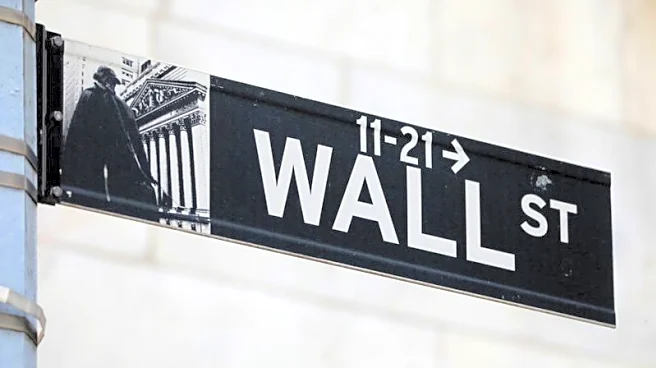
The U.S. stock market has experienced significant growth, with the Dow Jones Industrial Average crossing 50,000 for the first time on February 6, 2026. This milestone coincides with the 115th anniversary of Ronald Reagan's birth, a president known for his economic
policies that revitalized the U.S. market. The growth is attributed to the economic strategies implemented during President Trump's first term, which included regulatory rollbacks and corporate tax rate reductions. These policies have been credited with delivering broad-based economic progress, similar to the supply-side economic strategies of the Reagan era. The current economic environment has attracted global investors, contributing to the robust performance of American businesses.
Why It's Important?
The recent surge in the U.S. stock market underscores the impact of economic policies on market performance and investor confidence. The regulatory changes and tax reductions have created a favorable business environment, encouraging investment and economic growth. This development is significant for U.S. industries as it enhances their global competitiveness and profitability. The economic policies have also had a ripple effect, influencing international markets and attracting foreign investment. The growth in the stock market reflects the broader economic health of the country, which can lead to increased job creation and economic stability. However, it also raises questions about the sustainability of such growth and the potential long-term effects of deregulation.
What's Next?
As the U.S. continues to implement these economic policies, stakeholders will be closely monitoring their long-term effects on the economy. Businesses may continue to benefit from the favorable regulatory environment, but there could be challenges related to market volatility and economic inequality. Policymakers may need to address these issues to ensure sustainable growth. Additionally, the upcoming presidential elections could influence future economic policies, potentially impacting market dynamics. Investors and businesses will be watching for any changes in policy direction that could affect their operations and investment strategies.