



What's Happening?
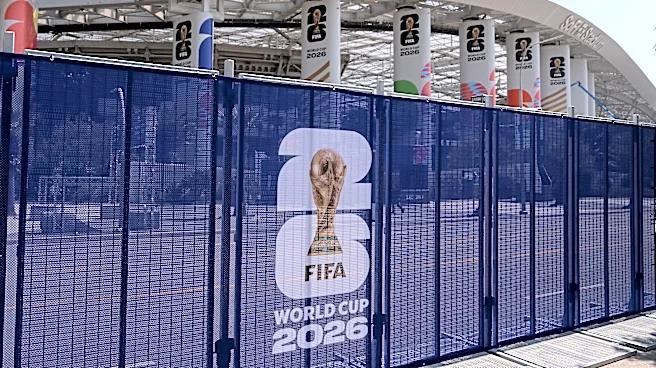
A Somali referee, Omar Abdulkadir Artan, was denied entry into the United States over the weekend, preventing him from officiating at the FIFA World Cup 2026. The U.S. Customs and Border Protection (CBP) cited 'vetting concerns' as the reason for the denial.
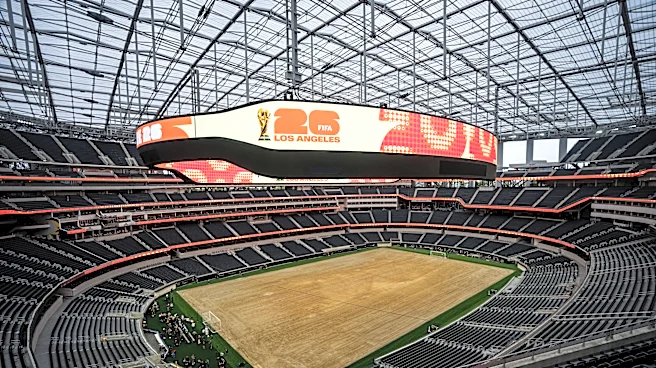
Artan, who arrived at Miami International Airport from Istanbul, was subjected to additional inspection before being deemed inadmissible. Somalia is one of the countries affected by President Trump's travel ban, which restricts entry on national security grounds. Although the ban includes exemptions for World Cup athletes and staff, immigration officials have the discretion to grant or deny entry. The U.S., along with Mexico and Canada, is hosting the 2026 World Cup, which is set to begin with a match in Mexico City. The decision has sparked concerns about the impact of U.S. immigration policies on the tournament.
Why It's Important?
The denial of entry to a FIFA World Cup referee highlights the ongoing implications of the U.S. travel ban, particularly as the country prepares to host a major international event. This decision could affect the participation of other officials and athletes from countries on the travel ban list, potentially impacting the smooth execution of the World Cup. The situation underscores the tension between national security measures and international sporting events, raising questions about the balance between security and global cooperation. The incident also reflects broader concerns about the Trump administration's immigration policies and their effects on international relations and cultural exchanges.
What's Next?
As the World Cup approaches, there may be increased scrutiny on how U.S. immigration policies affect the event. FIFA and other stakeholders might engage in discussions with U.S. authorities to ensure that officials and athletes can participate without undue hindrance. The situation could prompt further diplomatic negotiations, especially with countries affected by the travel ban. Additionally, there may be calls for policy reviews to prevent similar issues in future international events hosted by the U.S.