





What's Happening?
The World Trade Center area in New York City is experiencing a significant leasing surge, with asking rents for large office spaces nearly matching those in Midtown's prime corridors such as Park and Sixth Avenues. This development comes 25 years after
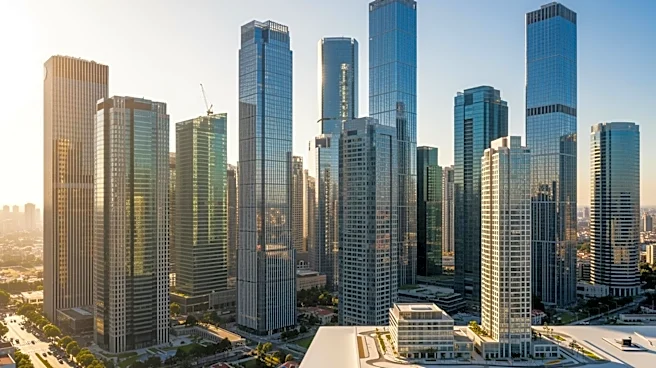
the 9/11 attacks, marking a notable transformation in the area's commercial real estate landscape. The existing office towers, including 1 World Trade Center, have recently surpassed a 95% lease rate, compared to the Manhattan average of 85% and a downtown average of 80%. The site is attracting a diverse range of tenants, including financial services, tech, and law firms, due to its new office construction and proximity to mass transit. Notably, the Durst Organization is asking $160 per square foot for penthouse floors at 1 WTC, while other floors range from the mid-$80s to $90. The area is also set to see further development with the construction of 2 World Trade Center, which will serve as the new headquarters for American Express.
Why It's Important?
The leasing surge at the World Trade Center area signifies a robust recovery and transformation of Lower Manhattan's commercial real estate market. This trend highlights the area's growing appeal to major corporations, driven by new construction and strategic location advantages. The increase in leasing activity and rising rents reflect a broader economic confidence and investment in the region, potentially boosting local businesses and contributing to the area's economic vitality. The development also underscores New York City's resilience and ability to reinvent itself post-9/11, turning a site of tragedy into a thriving business hub. This shift could influence real estate trends in other urban centers, as companies seek modern office spaces with convenient transit access.
What's Next?
As the World Trade Center area continues to attract high-profile tenants, further developments are anticipated, including the completion of 2 World Trade Center. This project, designed by Norman Foster, is expected to break ground next year and will house American Express's new headquarters. The ongoing leasing activity and rising rents may prompt other companies to consider relocating to the area, potentially leading to increased competition for office space. Additionally, the success of the World Trade Center's redevelopment could serve as a model for other cities looking to revitalize underutilized urban areas. Stakeholders, including real estate developers and city planners, will likely monitor these developments closely to assess their impact on the broader New York City real estate market.