



What's Happening?
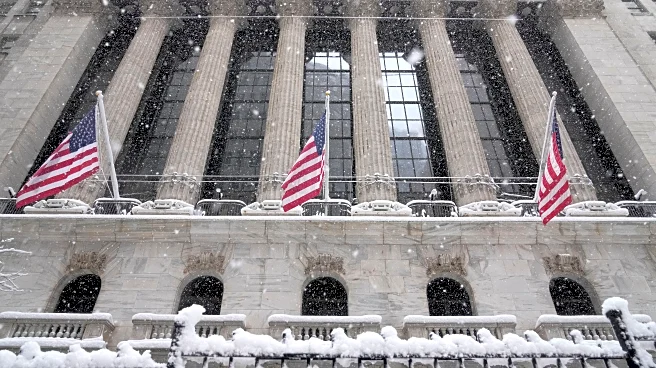
On March 3, 2026, global stock markets, including major U.S. indexes, experienced sharp declines due to escalating tensions in the Middle East. The S&P 500 fell by 2.4%, the Dow Jones Industrial Average by 2.5%, and the Nasdaq Composite by 2.6%. These
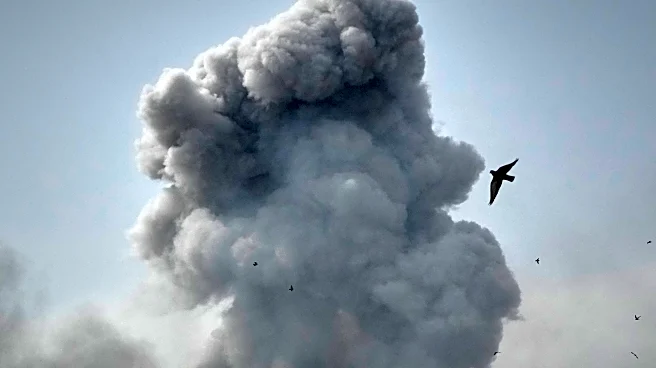
losses followed significant declines in European markets, with Germany's DAX, France's CAC 40, and Britain's FTSE 100 all experiencing substantial drops. The market turmoil was driven by a surge in energy prices, as reports emerged of the Strait of Hormuz being closed and Qatar being hit, leading to higher oil and natural gas prices. The conflict has raised concerns about the stability of energy supplies, impacting investor confidence and leading to widespread sell-offs across various sectors.
Why It's Important?
The current market downturn underscores the significant impact that geopolitical conflicts can have on global financial stability. The closure of the Strait of Hormuz, a vital passage for oil transport, has heightened fears of supply disruptions, contributing to rising energy costs. This situation poses a risk to economic growth, as higher energy prices can lead to increased production costs and inflationary pressures. The widespread market losses reflect investor anxiety about the potential for prolonged conflict and its implications for global trade and economic stability. The situation also highlights the interconnectedness of global markets, as developments in one region can have far-reaching effects on economies worldwide.
What's Next?
As the situation in the Middle East evolves, markets are likely to remain volatile, with investors closely monitoring geopolitical developments. The potential for further disruptions in energy supply could lead to continued fluctuations in oil prices and market indexes. Policymakers may need to consider measures to mitigate the economic impact, such as adjusting monetary policies or seeking diplomatic solutions to de-escalate tensions. Businesses and consumers may also need to prepare for potential increases in energy costs and their effects on economic activity.