
What's Happening?
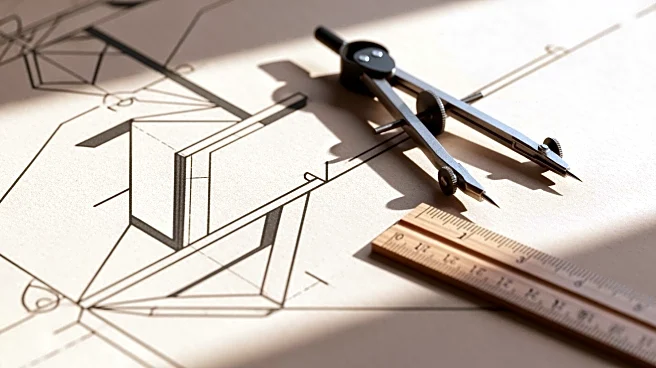
Frank Lloyd Wright, renowned for his architectural masterpieces, also made significant contributions to typography. His unique lettering styles were integral to his architectural presentations, reflecting
the holistic artistic vision he applied to his work. Wright's fonts, characterized by geometric and artistic elements, were initially used in his architectural drawings and have since been digitized into typefaces like Eaglefeather. These fonts, created in collaboration with designers such as David Siegel, continue to influence modern typography, showcasing Wright's commitment to integrating art into every aspect of his designs.
Why It's Important?
Wright's approach to design, which extended beyond architecture to include typography, underscores the importance of a cohesive artistic vision. His work demonstrates how design elements can transcend their traditional boundaries, influencing various fields such as digital typography. This integration of art and architecture highlights the potential for cross-disciplinary innovation, encouraging modern designers to adopt a more holistic approach. Wright's legacy in typography also reflects the enduring impact of the Arts and Crafts movement, emphasizing craftsmanship and artistic integrity in design.