



What's Happening?
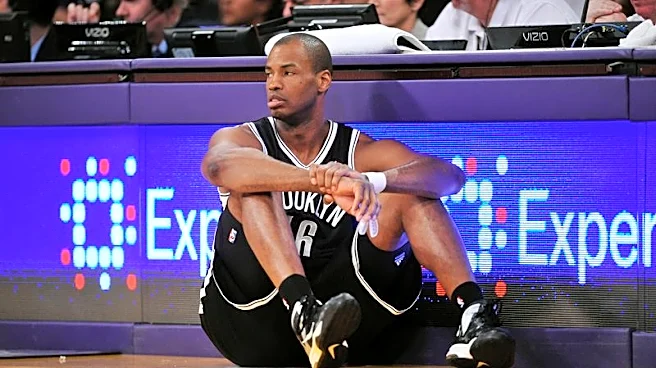
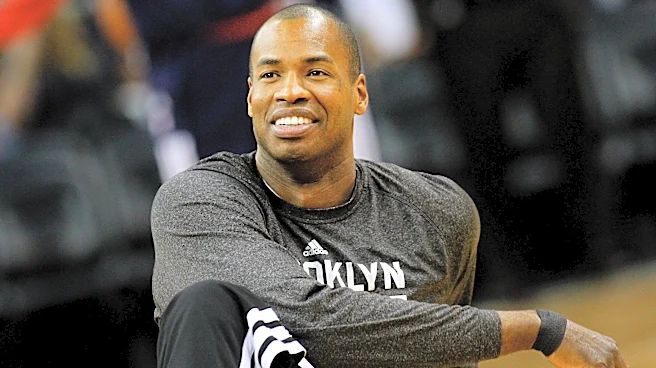
Jason Collins, known for being the first openly gay player in the NBA, has passed away at the age of 47 due to brain cancer. Collins was diagnosed with Stage 4 glioblastoma, a highly aggressive form of brain cancer, and had sought experimental treatments
in Singapore. Despite initial success, the cancer returned, leading to his death at home surrounded by family. Collins had a 13-year career in the NBA, playing for teams such as the New Jersey Nets and the Brooklyn Nets. He came out publicly in 2013, becoming a trailblazer for LGBTQ+ representation in major North American sports leagues.
Why It's Important?
Collins' death marks the loss of a significant figure in sports and LGBTQ+ advocacy. His decision to come out as gay while actively playing in the NBA was a groundbreaking moment that paved the way for greater inclusivity in sports. Collins' legacy extends beyond basketball, as he worked to foster acceptance and diversity within the sports community. His courage and leadership have inspired many, and his passing is a reminder of the ongoing challenges faced by LGBTQ+ athletes. The NBA and its players' association have recognized his contributions to making the league more inclusive.
What's Next?
The NBA and its community are likely to continue honoring Collins' legacy through initiatives that promote inclusivity and support for LGBTQ+ athletes. His passing may also prompt further discussions on the importance of diversity and representation in sports. The league and its players may engage in commemorative events or establish awards in his name to continue his work in fostering an inclusive environment.
Beyond the Headlines
Collins' story highlights the intersection of sports, identity, and advocacy. His journey underscores the importance of visibility and representation for marginalized communities in high-profile arenas like professional sports. His life and career serve as a testament to the impact that one individual's courage can have on broader societal attitudes and policies regarding LGBTQ+ rights and acceptance.